Are You Compliant With Australia’s Horse Safety Laws?
Quick Question for Riders and Horse Facilities
If an accident happened at your riding facility tomorrow, would everyone present know exactly what to do in the first few minutes?
Many riders and instructors assume they would, until they are faced with a real emergency involving a horse.
The reality is that when incidents happen around horses, decisions often need to be made quickly and calmly, sometimes before professional help arrives.
That’s why safety awareness and preparation are so important in horse environments.
Discover if your facility meets key Horse Safety Australia and WHS safety standards
Identify common compliance risks before they become incidents
Horse Safety Score instantly
Free Horse Safety Resource Pack
Horse Activities Are Inherently Risky, But Many Incidents Are Preventable
Every year, preventable accidents occur in riding schools, training facilities, pony clubs and agistment centres across Australia.
In many cases, these incidents are not the result of reckless behaviour or negligence.
They occur because small safety gaps develop over time as facilities grow, staff change, or procedures are not regularly reviewed.
Working with horses means operating in an environment where large, powerful animals interact with riders of varying experience levels.
Even well-run facilities can overlook risks when day-to-day routines become familiar.
Many incidents are linked to factors such as:
• Improper horse handling procedures or unclear supervision practices
• Arena or facility hazards that increase the likelihood of falls or injuries
• Lack of clear incident reporting or emergency response protocols
• Staff, volunteers or helpers who have not received practical safety or first aid training
• Horses being matched with riders whose skill level may not be appropriate
Often these issues are not obvious until an accident occurs.
The reality is that many equestrian facilities believe they are operating safely and meeting appropriate standards, until an unexpected incident reveals weaknesses in their safety systems.
In Just 2 Minutes You’ll Discover:
To help riders and horse facilities reflect on their current safety awareness, we created a short Horse Safety Compliance Check.
This quick quiz explores common safety situations that riders, instructors and horse facilities may encounter.
In just a few minutes you’ll discover:
Your Horse Safety Compliance Score
Key gaps in your current safety procedures
How your facility aligns with industry standards
Practical improvements you can implement immediately
The quiz has been designed based on common safety considerations found in equestrian environments, including riding schools, pony clubs and horse handling situations where clear procedures and emergency awareness are important.
It is not designed to judge or criticise, but to help riders and horse professionals reflect on safety practices that may otherwise be taken for granted.
How Does Your Horse Safety Awareness Compare?
Take the quick Horse Safety Compliance Quiz to see how your knowledge and safety awareness compare.
It takes less than two minutes to complete.
You will receive your Horse Safety Score instantly, along with access to practical safety resources.
Designed by First Aid trainer Britt Brennan to help riders and horse facilities strengthen safety awareness.
Most horse professionals score between 7 and 11 on their first attempt.
The Pony Club & Riding School Safety Challenge
We encourage riding schools, instructors and pony clubs to take the quiz and see how their safety awareness compares.
Share the quiz with your riders or staff and see how your group scores.
Safer horses and safer riders start with better safety awareness.


Free Horse Safety Resource Pack
When you complete the quiz you'll receive FREE access to practical safety tools including:
Horse Health and Management Record Sheet
Trail Riding & Hobby Farm Riding Lessons Safety Checklist
Racing Stable Compliance Checklist - National
Racing Stable Compliance Checklist - Western Australia specific
Emergency Incident Response Guide
These resources are designed to help horse professionals improve safety systems and reduce risk.
Common Horse Safety Questions
What should you do if a horse kicks a rider?
If a rider is kicked by a horse, first ensure the area is safe for everyone involved. Assess the rider for serious injuries such as head trauma, fractures or internal injury. Call emergency services if necessary and administer first aid while waiting for help. Equine first aid training helps riders, instructors and horse handlers respond safely and effectively to horse-related injuries.
What is equine first aid training?
Equine first aid training teaches riders, instructors and horse owners how to respond to emergencies involving horses. This includes handling rider injuries, managing horse-related incidents and applying first aid in riding environments where horses are present.
Why is horse safety training important for riding schools?
Horse safety training helps riding schools reduce the risk of injuries by improving horse handling procedures, strengthening emergency response skills and increasing safety awareness among staff and riders. Proper training also helps facilities maintain safer environments for lessons, clinics and horse handling activities.
What risks are involved in horse riding activities?
Horse riding activities involve inherent risks such as falls, kicks, bites and handling injuries. Horses are large, powerful animals and unpredictable situations can occur. Safety training and first aid knowledge help riders and instructors reduce the risk of incidents and respond effectively if an accident occurs.
Where can I learn equine first aid in Australia?
Equine first aid training programs such as those provided by REACHAU help riders, instructors and horse professionals develop practical emergency response skills for horse-related incidents and improve overall horse safety awareness.
What should you do if someone falls off a horse?
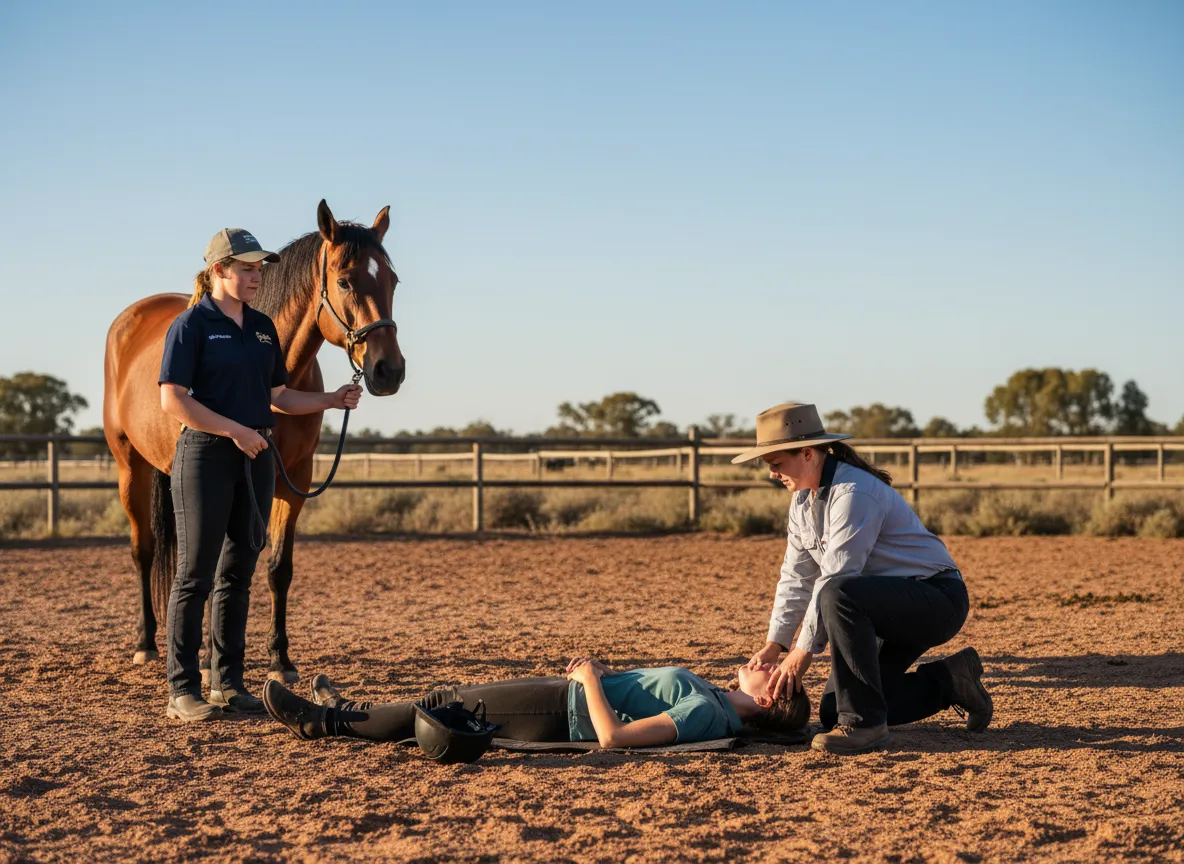
If someone falls from a horse, the first step is to ensure the environment is safe and prevent the horse from causing further injury. Check whether the rider is conscious and assess them for possible head, neck or spinal injuries. Avoid moving the person if a serious injury is suspected and call emergency services if necessary. Basic first aid knowledge is important for riders and instructors to safely manage horse riding incidents.
Are horse riding injuries common?
Horse riding injuries can occur because horses are large animals and riding involves inherent risk. Falls, kicks and handling incidents are among the most common causes of injury. Many injuries can be prevented through proper supervision, suitable horse selection, safe riding environments and appropriate safety training.
Do riding schools need safety procedures?
Yes. Riding schools and equestrian facilities should have clear safety procedures for horse handling, rider supervision and emergency response. These procedures help reduce the likelihood of incidents and ensure staff and riders know how to respond if an accident occurs.
How Safe Is Your Horse Facility?
Take the 2-minute Horse Safety Compliance Quiz and receive your Horse Safety Score instantly.
About REACHAU
Regional Education and Career Help Australia (REACHAU) provides specialised first aid and safety training designed specifically for horse riders, instructors, and equestrian facilities.
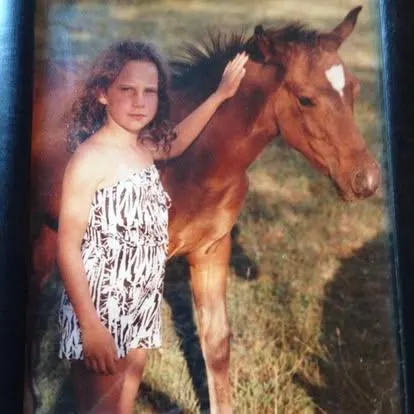
Founded by equestrian and trainer Britt Brennan, REACHAU was created to help the horse community develop practical skills that improve safety awareness and emergency response when working with horses.
Horse activities involve inherent risks, and accidents can happen quickly. Our First Aid training focuses on preparing riders and staff with the knowledge and confidence to respond effectively if an incident occurs, helping to create safer environments for riders, horses, and equestrian facilities.
Through practical education, safety resources, and training programs, REACHAU supports horse owners, instructors, and equestrian organisations across Australia in strengthening their safety systems and reducing preventable injuries.
Our Programs Help:
Riding schools
Equestrian centres
Pony clubs
Horse owners and handlers
Improve safety systems, reduce incident risk, and build confidence responding to emergencies.
Trusted by equine businesses across Western Australia