What James Tsindos' Death Teaches Us About Anaphylaxis and Asthma
In May 2021, 17-year-old James Tsindos ordered a vegan burrito bowl through a food delivery app. He had a known cashew allergy, but cashews were not clearly identified in the headline description of the meal. He experienced a severe anaphylactic reaction, and while paramedics treated him and he appeared to improve, his symptoms returned at hospital. James went into cardiac arrest and later died from the brain injury caused by a lack of oxygen. The coronial findings highlight lessons that reach far beyond this one devastating case.
What James Tsindos' Death Teaches Us About Anaphylaxis and Asthma
A 17-year-old's death reveals lessons every First Aider, parent and workplace needs to understand.
In May 2021, 17-year-old James Tsindos ordered a vegan burrito bowl through a food delivery app.
James had a known cashew allergy, but cashews were not clearly identified in the headline description of the meal.
He experienced a severe anaphylactic reaction. Paramedics treated him, and for a time, he appeared to improve. At hospital, his symptoms returned. James went into cardiac arrest and later died from the brain injury caused by a lack of oxygen.
The coronial findings highlight lessons that reach far beyond this one devastating case.
1 Anaphylaxis Can Return After Someone Appears to Recover
This is known as biphasic anaphylaxis. Symptoms improve after treatment and then return, sometimes hours later, without any further exposure to the allergen.
James appeared to be recovering, but the danger had not passed.
Feeling better does not mean the reaction is over.
This is why someone who has experienced anaphylaxis must always be transported to hospital and observed, even if the adrenaline appears to have worked and they say they feel better.
2 Asthma Can Make Anaphylaxis Harder to Recognise
James also had asthma. When a person with asthma develops wheezing or difficulty breathing, it can be tempting to reach for their asthma puffer first.
However, if they have a known allergy and suddenly develop breathing difficulties following possible allergen exposure, anaphylaxis must be treated first.
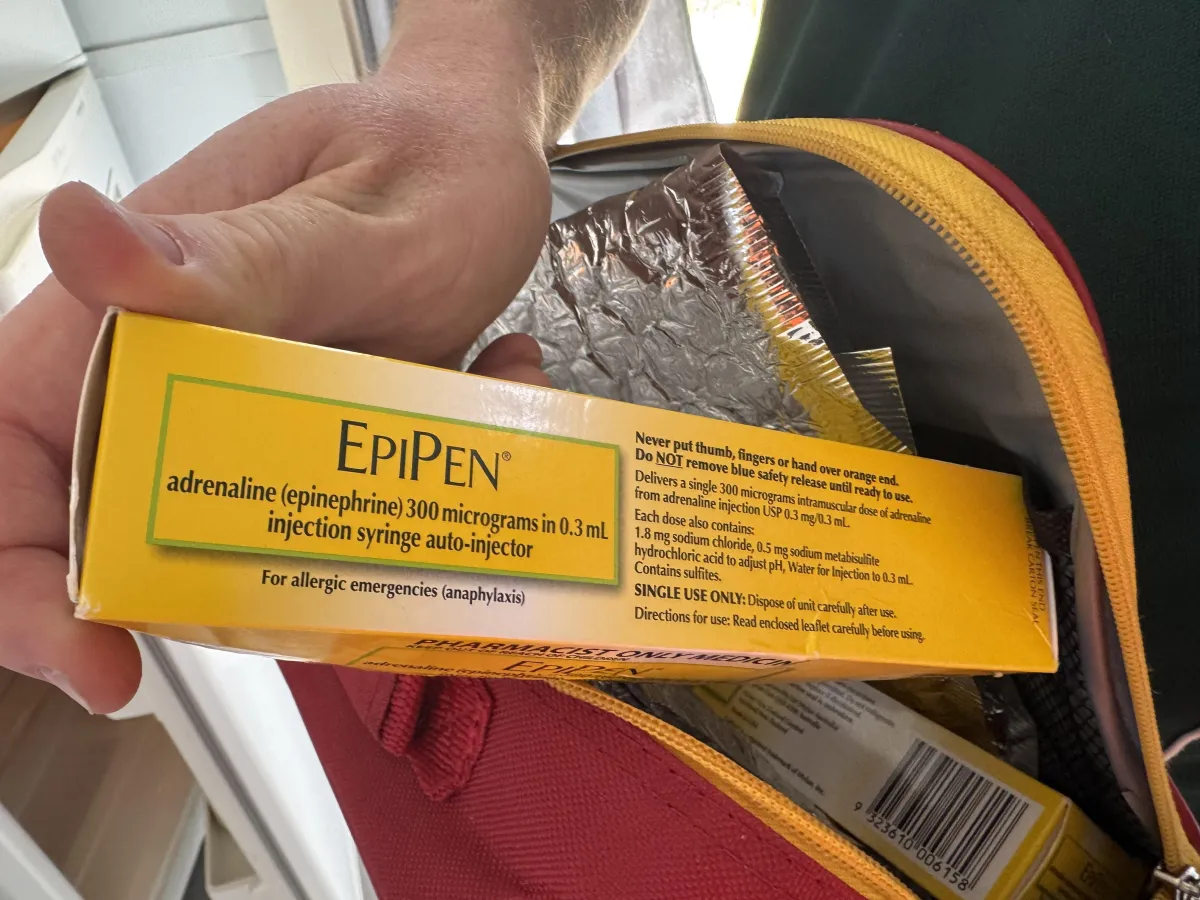
Give the adrenaline injector first. Then give asthma reliever medication.
Why? Because an asthma puffer helps open the smaller airways inside the lungs. It does not treat the throat swelling, falling blood pressure or widespread allergic response caused by anaphylaxis. Adrenaline treats the life-threatening reaction.
This is one of the most important distinctions I teach because the conditions can look similar, but the order of treatment matters.
3 Risk Needs to Be Assessed Using the Whole Picture
The Coroner found that James' hospital triage category was likely too low for the level of risk he faced.
A confirmed allergen exposure, a history of asthma, treatment with adrenaline and returning symptoms should all raise concern. No single symptom tells the whole story. We need to look at what happened, what treatment has already been required and whether the person has additional risk factors.
4 Vegan Does Not Mean Allergen-Safe
Cashews are commonly used as substitutes for dairy in vegan sauces, cheeses, dressings and creams. For someone with a severe nut allergy, a meal being labelled vegan does not mean it is safe.
Clear allergen information matters. Assumptions can be dangerous.
5 Training Should Prepare People to Act
For employers, school staff, food service teams and anyone responsible for the wellbeing of others, this case shows why anaphylaxis training cannot be treated as a box-ticking exercise.
People need to understand:
✓ How to recognise anaphylaxis
✓ Why breathing symptoms may be mistaken for asthma
✓ Why adrenaline must be given first when anaphylaxis is suspected
✓ Why the person should be kept lying flat, unless breathing is difficult
✓ Why they must not be allowed to stand or walk
✓ Why an ambulance must always be called
✓ Why improvement after adrenaline does not mean the danger has passed
In an emergency, the most important skill is staying calm and taking the first correct action.
Good training gives people more than a certificate.
It gives them an understanding of what is happening inside the body, why the treatment works and the confidence to act without wasting critical time.
REACHAU delivers nationally recognised first aid courses across Western Australia, including HLTAID014 Provide Advanced First Aid, with a strong focus on recognising and responding to anaphylaxis.
Know What to Do When It Matters Most
Our nationally recognised First Aid courses include anaphylaxis recognition, adrenaline administration, and the asthma-anaphylaxis overlap. Delivered face-to-face across Western Australia.
HLTAID011 Provide First Aid | HLTAID014 Anaphylaxis Management | HLTAID013 Remote and Isolated First Aid
View All First Aid Courses and Booking Info