Severe Bleeding: First Aid Steps to Take Before Help Arrives
Severe Bleeding: Why the First Few Minutes Matter Most
Severe bleeding is one of the most time-sensitive emergencies a bystander can face. Unlike many medical emergencies where the best thing to do is wait for an ambulance, uncontrolled bleeding requires immediate action from whoever is present. The few minutes before paramedics arrive can determine whether someone survives and recovers fully, or whether they go into shock.
Most people understand this in theory. Fewer know exactly what to do in the moment, and fewer still have ever practised it under pressure. That gap between knowing something and being ready to act on it is exactly what this article addresses.
Who This Article is For
This article is for anyone who wants to be prepared for a real emergency. That includes workplace first aiders, parents, tradies, farmers, remote workers, sporting coaches, and everyday Australians who spend time in places where injury is possible. You do not need medical training to help someone who is severely bleeding. You need a small number of clear actions and the confidence to take them without delay.
What Makes Bleeding Life-Threatening
Not all bleeding is an emergency. A minor cut, even a dramatic-looking one, is rarely dangerous. The situations that require urgent first aid intervention are those involving large wounds, continuous blood loss that is not slowing, injuries to major blood vessels, or partial or complete loss of a limb.
The body responds to rapid blood loss by going into a state called hypovolaemic shock. Blood pressure drops, the heart works harder to compensate, and vital organs including the brain begin to receive less oxygen. Without intervention, this process can progress quickly. Keeping pressure on a wound and slowing blood loss gives the body time to maintain circulation until professional help arrives.
The Role of Tourniquets
One of the most important shifts in civilian first aid training in recent years has been the wider acceptance of tourniquet use by bystanders. Tourniquets were once considered tools for medical professionals only. Current Australian first aid guidelines support their use for limb injuries where direct pressure cannot control the bleeding. This article explains when a tourniquet is appropriate and how to apply one correctly.
What You'll Learn
This article covers how to recognise life-threatening bleeding, the step-by-step first aid response, correct tourniquet use, and what to do if the person loses consciousness or stops breathing. It also addresses common mistakes that reduce the effectiveness of bleeding control, including the instinct to lift the dressing to check if the wound is improving.
REACHAU delivers nationally recognised first aid training across Perth and regional Western Australia. Bleeding control, wound management and tourniquet application are covered in hands-on detail in our HLTAID011 Provide First Aid, HLTAID013 Remote and Isolated First Aid, and HLTAID014 Advanced First Aid courses. Reading about these techniques is a useful first step. Practising them in a realistic training environment is what builds the confidence to act when it counts.
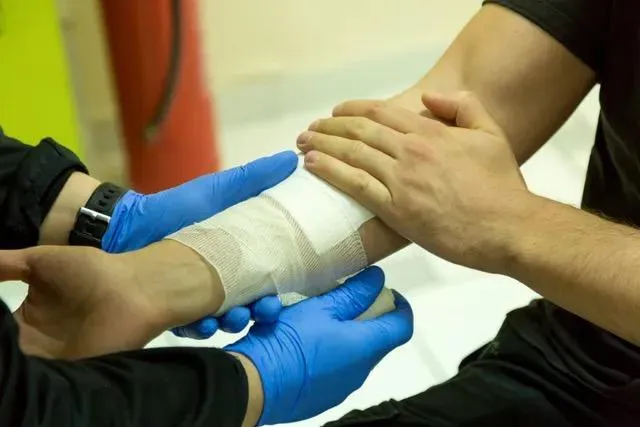
To control severe bleeding, apply firm direct pressure to the wound using a clean cloth or bandage and do not remove it, even if it soaks through. Add more material on top and keep pressing. If the wound is on a limb and bleeding cannot be controlled with pressure, apply a tourniquet above the wound and note the time. Call 000 immediately and continue pressure until paramedics arrive.