Off-Road Riding Rules WA: What Every Rider Needs to Know
In Western Australia, off-road riders must comply with the Control of Vehicles (Off-road Areas) Act 1978. This means registering your bike as an Off-Road Vehicle (ORV), following noise and dust rules on private property, observing Total Fire Bans, and understanding that rangers can seize unregistered bikes on the spot. All ORV registrations expire on 30 September each year. Knowing the rules protects your right to keep riding.
The Hidden Rules of WA Off-Road Riding
What Riders Get Wrong. And Why It Matters.
The freedom is real. So are the rules.
WA has some of the best off-road riding in the country. Lancelin. Gnangara. Pinjar. Red dirt, sand tracks, open space. That ride, race, enjoy culture is part of who we are.
But here is where people get caught out.
"Off-road" does not mean "no rules."
The Control of Vehicles (Off-road Areas) Act 1978 governs how, where, and when you can ride. Most riders do not fully understand it until it costs them. This is not about scaring people. It is about making sure you can keep riding without getting fined, shut down, or losing access altogether.
1 Registration Still Applies. Even Off-Road.
If your bike is not licensed for the road, it still needs Off-Road Vehicle (ORV) registration to be used in approved riding areas. No registration means you are riding illegally. Simple as that.
What catches people:
✓ You must be 18 to register an ORV
✓ There is no CTP insurance included
✓ Registration fees help fund trail maintenance and upgrades
So it is not just paperwork. It is part of keeping these riding areas open.
2 Private Property Does Not Mean No Rules
A lot of riders think: "My land, my rules." That is not how it works. Local laws and noise regulations still apply, and property size matters.
| Property Size | What It Means for You |
|---|---|
| Under 2 hectares | You are basically not riding. You will not meet noise requirements. |
| 2 to 5 hectares | You can ride with limits: max 2 hours per day, factory mufflers only, no racing or track-style riding, no revving along fence lines, and only bikes stored on that property. |
| Over 5 hectares | More flexibility, but noise limits still apply. |
Bottom line: if neighbours can hear it and complain, you can be shut down.
3 Every Registration Ends on September 30
This one catches people every year. All ORV registrations in WA expire on September 30. Not based on when you bought it. Register in August and you are renewing again in a month.
You get 15 days to renew after expiry, then you are required to hand back the plates. Miss it, and you are riding unregistered without even realising it.
4 Fire Bans and Dust Can Shut You Down Instantly
This is where people take risks they should not.
Total Fire Bans
Declared by the Department of Fire and Emergency Services. During a Total Fire Ban, there is no riding in bush, paddocks, or grassed areas. Engines and dry conditions are a fire risk. It is not a suggestion. It is a hard stop.
Dust Issues
Managed by your local council. If dust cannot be controlled, riding stops. It does not matter if it is your property.
5 Rangers Can Take Your Bike On the Spot
Most riders do not realise this. Under the Act, Rangers and Police can stop you, seize your bike, and detain it. No warrant needed.
This applies if:
✓ The bike is not registered
✓ They cannot confirm who owns or is responsible for it
That is it. It is gone. This is aimed at stopping illegal riding and people who think they cannot be traced.
What This Actually Comes Down To
This is not about rules for the sake of rules. It is about keeping access.
Every time riders ignore this stuff, trails get shut down, complaints increase, and restrictions get tighter. Once areas are lost, they do not come back.
Option A
Ride like it does not matter. Risk fines, losing your bike, or losing access to the areas you love.
Option B
Understand the rules, stay compliant, and keep the tracks open for yourself and everyone who comes after you.
The Question Worth Thinking About
If more people start living closer to the areas we ride, what do we need to change now so those areas are still there in 5 or 10 years?
Ready When It Matters Most
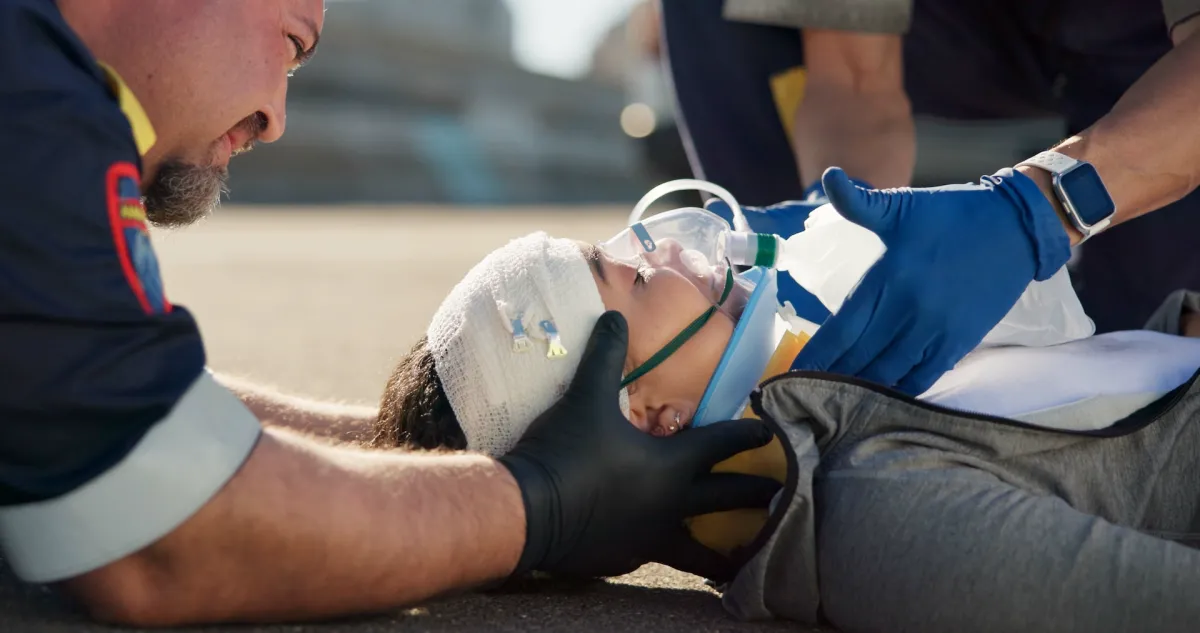
Accidents happen in remote areas. A nationally recognised First Aid certificate means you can act fast when help is far away.
Book Your First Aid Course