

What Is HLTAID011 Provide First Aid?
HLTAID011 is the current nationally accredited first aid standard in Australia. It is the qualification required for designated workplace first aiders under the Work Health and Safety Act, the certificate most commonly requested by employers across every industry, and the foundation for all higher-level first aid qualifications.
The course is aligned with guidelines from the Australian Resuscitation Council and other national clinical bodies. It covers the full range of emergencies a first aider is likely to encounter, from the most common situations like bleeding and falls, through to time-critical emergencies like cardiac arrest, anaphylaxis, and envenomation.
Completing HLTAID011 means you receive statements of attainment for three units: HLTAID009 CPR, HLTAID010 Basic Emergency Life Support, and HLTAID011 Provide First Aid. All three are issued on the same day.
"When people understand the why behind what they are learning, the skills stay with them for life."
How I Teach This Course
Every person who walks into my training session has a different reason for being there. Some are renewing for workplace compliance. Some are attending for the first time. Some have had a close call and want to be ready next time. I account for all of that.
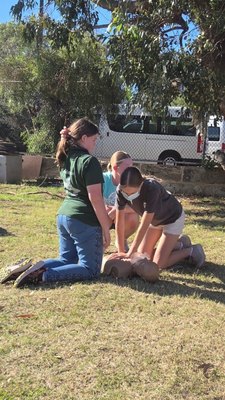
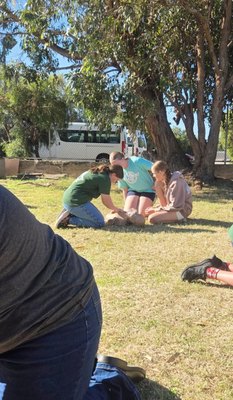
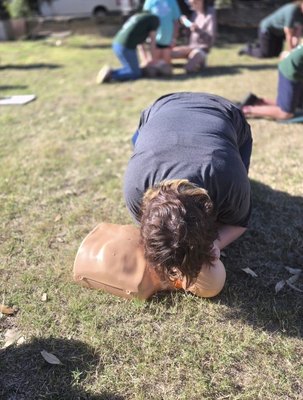
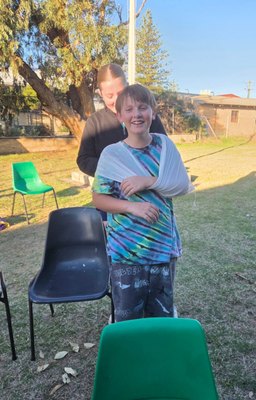
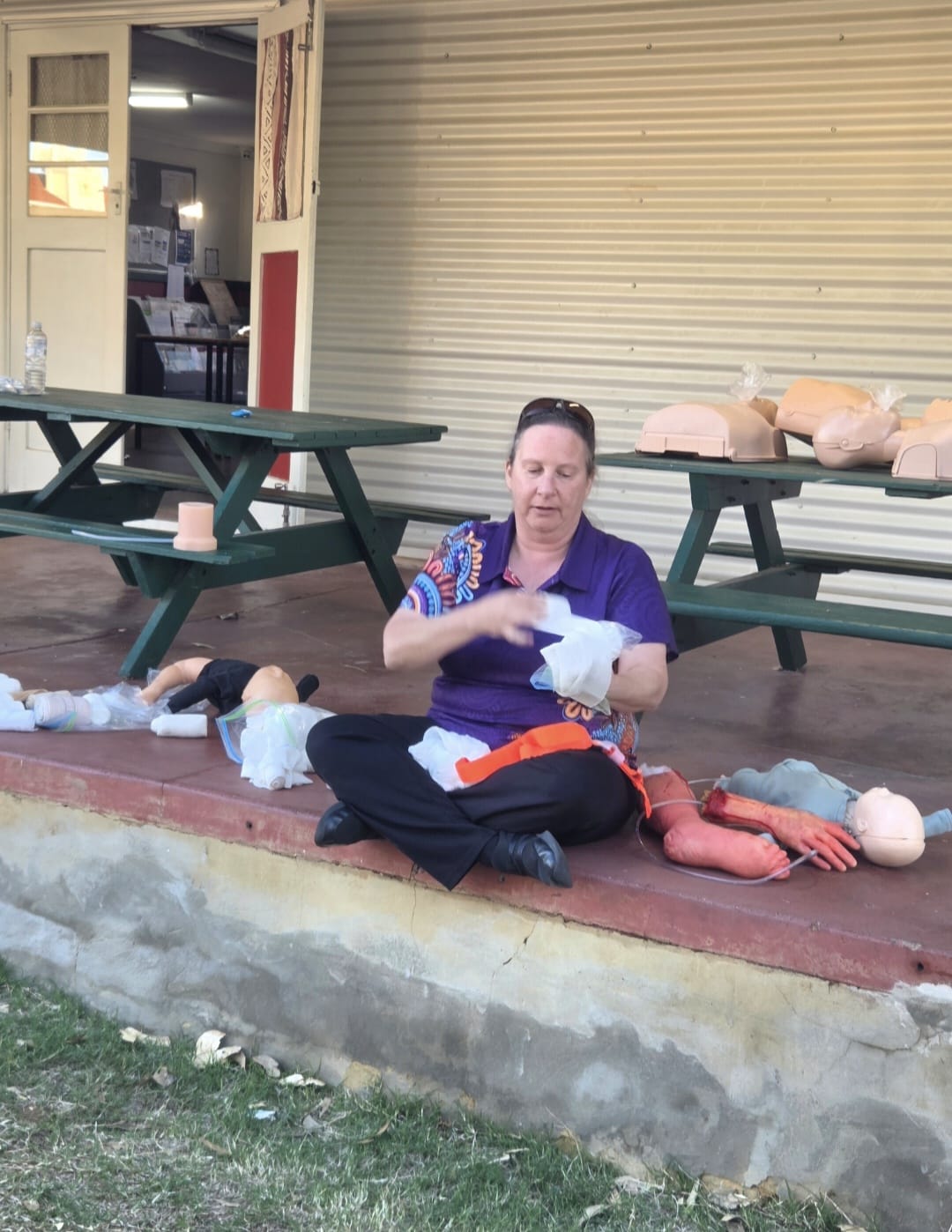
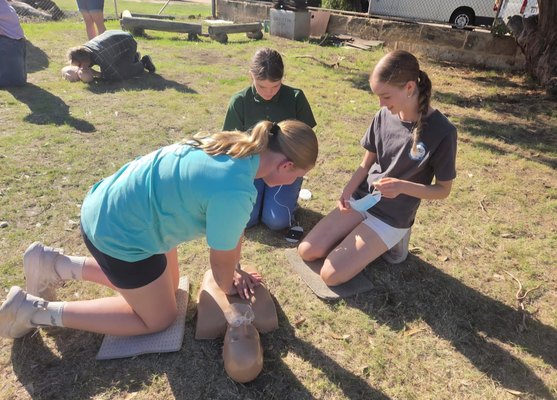
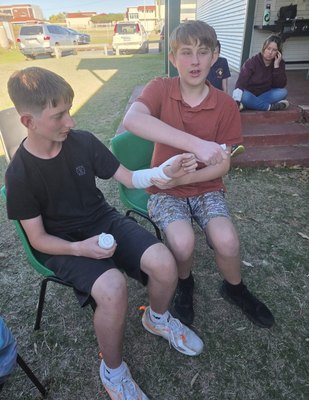
My sessions are practical throughout. CPR is performed on the floor on a full-sized adult manikin and on an infant manikin. AED operation is demonstrated in a scenario, not just described. Bleeding control, anaphylaxis response, and asthma management are all practised, not just discussed.
I focus on the why behind every technique. Not just the steps, but why each step works and what happens if you skip it. That understanding is what turns a training session into a skill that holds under pressure.
I run mixed-level sessions where HLTAID011 participants may be in the room alongside those completing HLTAID012 or HLTAID014. That is intentional. Real emergencies happen in workplaces with people at different skill levels. Training alongside them is better preparation.
Units of Competency Included
All three units are issued on your Statement of Attainment upon successful completion. This certificate is valid across all Australian states and territories.
Course Formats
Complete a short online theory component before attending a 3 to 4 hour practical session. Ideal for those renewing their certificate or who have completed first aid before.
Five hours of face-to-face training with more time for scenario practice. Recommended for first-time participants or anyone who prefers more repetitions before assessment. View the full day page.
Britt can deliver HLTAID011 at your workplace, school, or community venue across Perth metro and regional Western Australia. Contact for a quote.
What This Course Covers
Workplace Health and Safety Requirements
Under the Work Health and Safety Act 2011 and Safe Work Australia guidelines, every workplace must have an adequate number of trained first aiders. HLTAID011 is the minimum qualification required for a designated workplace first aider.
Industries with specific requirements including childcare, education, construction, mining, and remote services may require higher-level qualifications such as HLTAID012, HLTAID013, or HLTAID014.
Who This Course Is For
Required for WHS compliance in offices, retail, hospitality, construction, and any workplace with a first aid obligation.
Teachers, support staff, and sports coaches who need current first aid certification as part of their employment conditions.
Club officials, coaches, and community group leaders responsible for the safety of participants at events and training sessions.
Anyone who wants the confidence to respond quickly if a child, family member, or friend is injured or stops breathing.
People working in locations where emergency services take time to arrive and immediate first aid capability is essential.
HLTAID011 is valid for 3 years. Regular renewal keeps your skills current and your workplace compliant.
Not All First Aid Certificates Are Equal
This is something I feel strongly about. There are a growing number of providers advertising fully online first aid certificates at very low prices. Some are based overseas. Some teach techniques that are not approved in Australia. And in some cases, certificates have been cancelled after regulators investigated the training provider.
Under the Australian training framework, HLTAID011 requires hands-on practical assessment in person. A qualified trainer must observe you performing CPR on a manikin, operating an AED, managing a bleeding casualty, and responding to a simulated emergency. That cannot be signed off through a video call or an online quiz.
If a course seems very cheap or very fast, it is worth asking why. The answer may be that corners are being cut. A certificate that is later found to be non-compliant offers no workplace protection and no real capability in an emergency.
Confirm the course is nationally recognised with a unit code (HLTAID011). Check who the Registered Training Organisation is and look them up on the national register. Ask how practical skills are assessed. If the answer is online only, that is a red flag.
Further Reading From the REACHAU Blog
These articles are directly connected to content covered in HLTAID011 training. They are worth reading before or after your course.
Explains how venom spreads through the lymphatic system and why firm bandaging and immobilisation are the correct first aid response for snake bites, funnel web bites, and blue-ringed octopus bites in Australia.
Covers the two critical steps for blue-ringed octopus envenomation: pressure immobilisation and CPR readiness. Directly relevant to the envenomation content assessed in HLTAID011.
A detailed guide to what makes a first aid course compliant, why fully online practical assessment is not valid under national training standards, and how to protect yourself before booking.
What Participants Say
Common Questions
What is HLTAID011 Provide First Aid?
HLTAID011 is the nationally recognised standard first aid qualification in Australia. It is required for designated workplace first aiders and covers CPR, AED use, bleeding, anaphylaxis, asthma, bites, stings, fractures, burns, and a full range of medical emergencies.
How long does HLTAID011 take to complete?
The blended format involves a short online theory component followed by a 3 to 4 hour practical session. The full day format is approximately 5 hours face-to-face with no pre-work required.
How often does HLTAID011 need to be renewed?
Every 3 years. The CPR component (HLTAID009) should be refreshed every 12 months in line with Australian Resuscitation Council guidelines.
What qualifications will I receive?
On successful completion you receive a Statement of Attainment listing three units: HLTAID009 Provide CPR, HLTAID010 Provide Basic Emergency Life Support, and HLTAID011 Provide First Aid.
Is there a physical requirement for this course?
Assessment requires performing CPR on an adult manikin placed on the floor for at least 2 minutes. If you have a physical limitation that may affect this, contact Britt before booking to discuss your options.
Can you come to our workplace?
Yes. On-site delivery is available for workplaces, schools, sporting clubs, and community groups across Perth metro and regional Western Australia. Contact Britt to discuss your requirements and availability.
Is a fully online first aid course valid?
No. HLTAID011 requires in-person practical assessment supervised by a qualified trainer. Courses that offer fully online practical sign-off may not meet national training standards, and certificates from non-compliant providers can be cancelled. Always check the RTO number and assessment method before booking.
Is this course available in regional WA?
Yes. REACHAU was built specifically to reach regional, remote, and underserved communities. Public sessions run across Perth metro including Byford, Armadale, and Mundijong. On-site delivery is available for regional locations by arrangement.
Other Courses Available
Book HLTAID011 with Britt
Nationally recognised. Personally delivered. Available across Western Australia.