Blue-Ringed Octopus First Aid: What To Do After a Bite in Western Australia
Blue-Ringed Octopus First Aid: What To Do After a Bite in Western Australia
Direct Answer
A blue-ringed octopus bite is a medical emergency. The venom contains tetrodotoxin, a powerful neurotoxin that can cause paralysis and stop a person from breathing. First aid involves applying the pressure immobilisation technique to slow the spread of venom and calling emergency services immediately. If the person stops breathing, CPR or rescue breathing must begin until medical help arrives.
Why the Blue-Ringed Octopus Is One of Australia’s Most Dangerous Marine Animals
Western Australia is home to some of the most beautiful coastlines in the world. It is also home to some of the most venomous marine animals.
One of the most dangerous is the blue-ringed octopus.
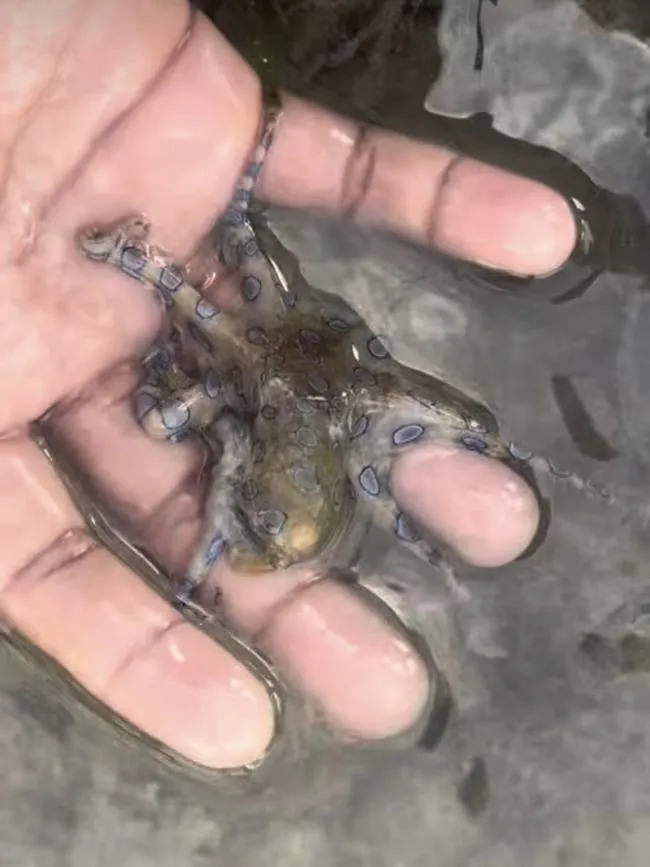
Despite being small enough to fit in the palm of your hand, this animal carries a venom that can cause rapid paralysis in humans. Vibrant Blue rings appear on its body when it feels threatened, warning predators to stay away.
Unfortunately, many people do not recognise the danger until it is too late.
The Viral Blue-Ringed Octopus Moment
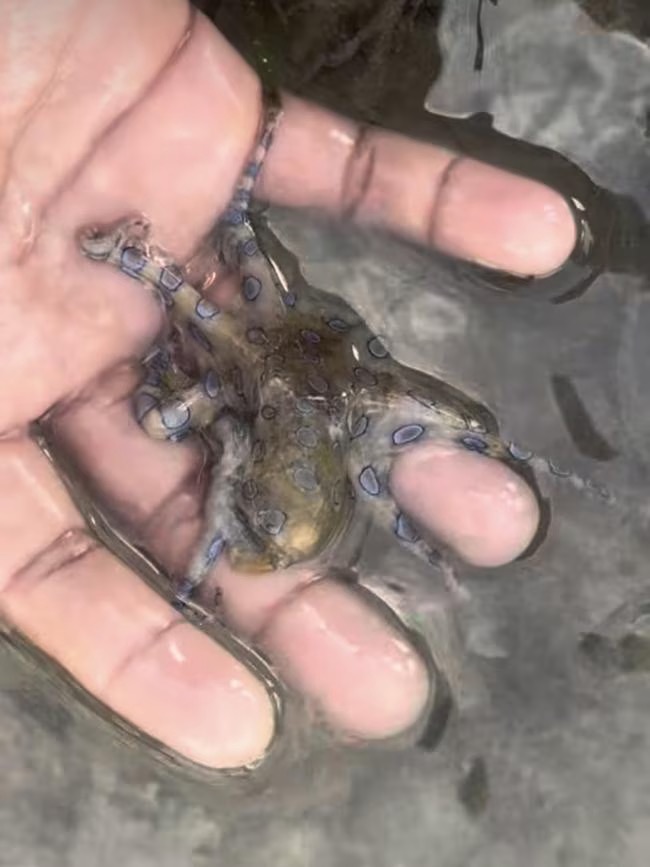
You may have seen the video circulating online.
A tourist holds a small octopus in their hand, smiling for the camera. The animal flashes its bright blue rings, one of the clearest warning signs in Australian wildlife.
The video went viral because viewers immediately recognised the danger of a blue ringed octopus.
What the tourist did not realise is that this tiny creature carries venom capable of causing complete paralysis within minutes.
Incidents like this highlight why first aid knowledge is essential in Australia, especially around coastal environments.
What Happens After a Blue-Ringed Octopus Bite
Blue-ringed octopus venom contains tetrodotoxin, a powerful neurotoxin that interferes with nerve signals in the body.
The bite itself is often painless and may not even be noticed.
However, symptoms can develop quickly and may include:
• tingling around the mouth
• nausea or dizziness
• difficulty speaking
• muscle weakness
• paralysis
The most dangerous effect occurs when the toxin paralyses the muscles used for breathing.
Without assistance, the person may stop breathing.
In some cases, victims remain conscious but unable to move or speak.
Why Breathing Support Saves Lives
There is currently no anti-venom for blueringed octopus venom.
Survival depends on supportive care until the toxin wears off.
This means the most important first aid actions are:
• slowing the spread of venom
• supporting breathing if respiratory paralysis occurs
With proper first aid and rapid medical care, many victims recover fully.
Blue-Ringed Octopus First Aid: The Two Critical Steps
Step 1: Apply Pressure Immobilisation
The pressure immobilisation technique helps slow the spread of venom through the lymphatic system.
If a bite is suspected:
• keep the casualty calm and still
• apply a firm pressure bandage over the bite area
• bandage the entire limb from fingers or toes upward
• immobilise the limb with a splint if possible
• call emergency services immediately
This technique, which is the same for a snake bite, helps delay venom circulation through the body.
You can read more about this method in our guide to the pressure immobilisation technique.
Step 2: Be Ready to Provide CPR
If the venom paralyses the breathing muscles, the casualty may stop breathing.
If breathing becomes ineffective or stops:
• Begin CPR immediately with rescue breaths if possible
• continue providing cardiovascular support until paramedics arrive
In these situations, CPR is not just about restarting the heart. It may be needed to breathe for the casualty until the toxin wears off.
This is why CPR training is so important in Australia.
Why This Matters in Western Australia
From the beaches of Perth to remote coastlines in the Pilbara and Kimberley, Western Australia offers incredible outdoor environments.
But those environments also include wildlife that requires respect and awareness.
Understanding how to respond to marine envenomation can make the difference between panic and confident action.
Knowing what to do in the first few minutes can save a life.
Learn First Aid for Real Australian Emergencies
At Regional Education and Career Help Australia (REACHAU), our First Aid training focuses on real-world scenarios that people in Western Australia face.
We teach not only what to do, but why these techniques work. When people understand the reasoning behind first aid, they are far more confident in emergencies.
Our nationally recognised courses include training in managing envenomation, CPR, and other life-threatening incidents.
Courses include:
Visit reachau.com.au to view upcoming course dates and training locations across Western Australia.
Frequently Asked Questions
Can a blue-ringed octopus bite kill you?
Yes. The venom can cause paralysis and respiratory failure. However, with rapid first aid and breathing support, many victims survive until the toxin wears off.
Is there antivenom for blue-ringed octopus bites?
There is currently no antivenom. Treatment focuses on supportive care and breathing support.
What should you do if someone is bitten by a blue-ringed octopus?
Apply pressure immobilisation, keep the person still, call emergency services, and be prepared to provide CPR if breathing stops.
How long do the effects of the venom last?
Symptoms may develop quickly, but with medical care many patients recover as the toxin is eventually cleared from the body.