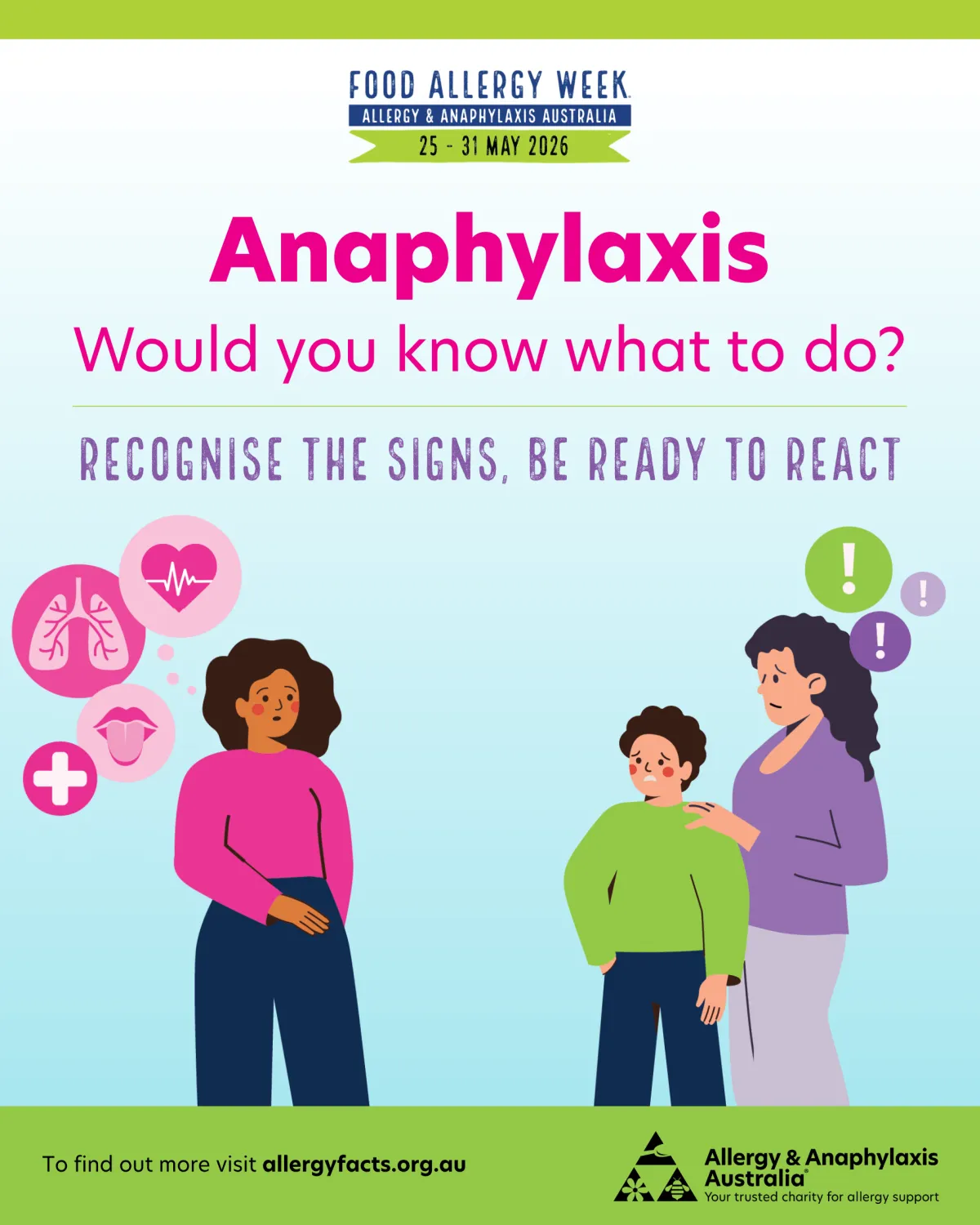
Raymond Cho, Anaphylaxis, and the Questions We Still Need to Ask
Raymond Cho, Anaphylaxis, and the Questions We Still Need to Ask
Raymond Cho died in 2011 after suffering Anaphylaxis caused by walnuts. The coronial findings called for better Anaphylaxis education, improved access to adrenaline autoinjectors, clearer action plans, and stronger staff training in schools across Australia. Those lessons still apply today.
Allergy & Anaphylaxis Awareness
Help raise awareness and support for allergy and Anaphylaxis education in Australia.
Every dollar raised supports education, advocacy and resources for people living with serious allergies. Please consider contributing.
Support the Allergy & Anaphylaxis FundraiserIn First Aid training, I often talk about the danger of hesitation.
Not because people do not care. Usually it is because they are unsure what they are seeing.
Is this asthma? Is this Anaphylaxis? Should adrenaline be given yet? What if I get it wrong? Those few moments of uncertainty matter.
The story of Raymond Cho is another reminder of why practical Anaphylaxis education is so important across schools, workplaces, sporting groups, and the wider community.
What This Article Covers
▶ Who Raymond Cho was and what the coronial findings recommended
▶ Why Anaphylaxis and asthma overlap creates dangerous hesitation
▶ Why scenario-based training changes outcomes
▶ The signs of Anaphylaxis people need to recognise
▶ Why these conversations still matter in schools and communities today
1 Who Was Raymond Cho?
Raymond Cho died on 24 May 2011 after suffering a hypoxic brain injury secondary to Anaphylaxis caused by walnuts.
Following the coronial investigation, recommendations were made to improve how schools manage Anaphylaxis and Asthma risks.
The recommendations included:
✓ Encouraging students with known asthma or allergies to carry their own reliever medications and adrenaline autoinjectors
✓ Improving face-to-face Anaphylaxis education for teachers and school staff
✓ Improving Anaphylaxis action plans displayed in schools
✓ Making autoinjector instructions clearer
✓ Reducing nut exposure risks within schools where possible
These recommendations still matter today.
More than a decade on, the gaps these findings identified, in training, access to medication, and recognition of Anaphylaxis, continue to affect schools, communities and workplaces across Australia.
2 The Biggest Problem I See in First Aid Training
One of the biggest issues I see is that people are often taught asthma and Anaphylaxis separately, when real emergencies do not always present neatly.
A casualty may have known asthma, a known allergy, and be presenting with breathing difficulty that looks exactly like an asthma attack. But they may actually be progressing into life-threatening Anaphylaxis.
In an emergency, a casualty may:
▸ Have known asthma
▸ Have a known allergy
▸ Present with breathing difficulty
▸ Look like they are having an asthma attack
▸ Actually be progressing into life-threatening Anaphylaxis
That overlap creates hesitation.
Under stress, people often wait for certainty instead of acting on the signs in front of them.
Australian guidelines are clear: if Anaphylaxis is suspected, adrenaline should be given first. The goal of training is to build enough recognition and confidence that people can act early, before the situation becomes critical.
3 Why Scenario-Based Training Matters
This is why I focus heavily on scenario-based training in my courses.
People need more than slides and multiple-choice questions. They need to practice decision-making in realistic situations so that when the real moment arrives, the response is faster and more confident.
Good First Aid training gives people the chance to:
✓ Hear realistic situations and recognise the warning signs
✓ Practice decision-making under pressure
✓ Learn what symptoms can actually look like in the real world
✓ Understand why guidelines exist and what they are based on
✓ Build the confidence to act early without waiting for certainty
Confidence matters in emergencies. The goal is not perfection. The goal is giving someone the best possible chance before paramedics arrive.
4 Schools, Communities, and Workplaces All Need Better Awareness
The recommendations from the Raymond Cho coronial findings were aimed at schools, but the lessons apply far beyond education settings.
I regularly see gaps in understanding across:
▸ Sporting clubs and recreational groups
▸ Community groups and events
▸ Hospitality venues
▸ Workplaces of all kinds
▸ Remote and regional communities
▸ Families caring for children with known allergies
Many people still believe adrenaline is a last resort. It is not.
In suspected Anaphylaxis, early adrenaline saves lives. Waiting until symptoms are severe enough to be "certain" is one of the most dangerous mistakes people make. Act on suspicion. That is what the guidelines say.
5 What Are the Signs of Anaphylaxis?
Symptoms can progress quickly. If someone has a known allergy and develops breathing difficulty after possible allergen exposure, treat it seriously.
Common signs of Anaphylaxis can include:
▸ Difficulty breathing
▸ Wheezing or persistent cough
▸ Swelling of the tongue
▸ Swelling or tightness in the throat
▸ Difficulty talking or hoarse voice
▸ Dizziness or collapse
▸ Pale and floppy presentation in children
▸ Persistent abdominal pain or vomiting after allergen exposure
Not every reaction will look the same. That is part of why training matters. People need to see and hear what these symptoms look like in practice, not just read a list.
6 Why These Conversations Matter
Every coronial inquiry represents a real person, a real family, and a real community affected forever.
These conversations are not about blame. They are about learning.
If stories like Raymond's help one person act faster, they matter.
If sharing this case helps one teacher, one parent, one coach, one workplace First Aider, or one teenager recognise Anaphylaxis earlier and act without hesitation, then having this conversation is worth it.
Raymond Cho died in May 2011. Allergy awareness, training quality, and adrenaline access have all improved since then. But the fundamentals of what went wrong in cases like his, hesitation, unclear action plans, insufficient training, and limited access to medication, are still present in many settings across Australia.
Support Allergy & Anaphylaxis Awareness
I am helping raise funds for allergy and Anaphylaxis education initiatives.
If you would like to contribute or learn more, you can visit the fundraising page and make a donation in support of the people and families affected by severe allergies across Australia.
Support the Allergy & Anaphylaxis FundraiserFrequently Asked Questions
Build the Skills to Act When It Counts
Anaphylaxis emergencies can move fast. The right training helps you recognise the signs, understand the correct response, and act with confidence before paramedics arrive.
REACHAU delivers practical, empowerment-focused First Aid training across Western Australia, including group and workplace bookings.
HLTAID009 CPR | HLTAID011 Provide First Aid | HLTAID012 Education and Care | HLTAID013 Remote First Aid | HLTAID014 Advanced First Aid
View Upcoming First Aid CoursesTraining and assessment is delivered by Britt at Regional Education and Career Help Australia on behalf of ABC First Aid RTO 3399.