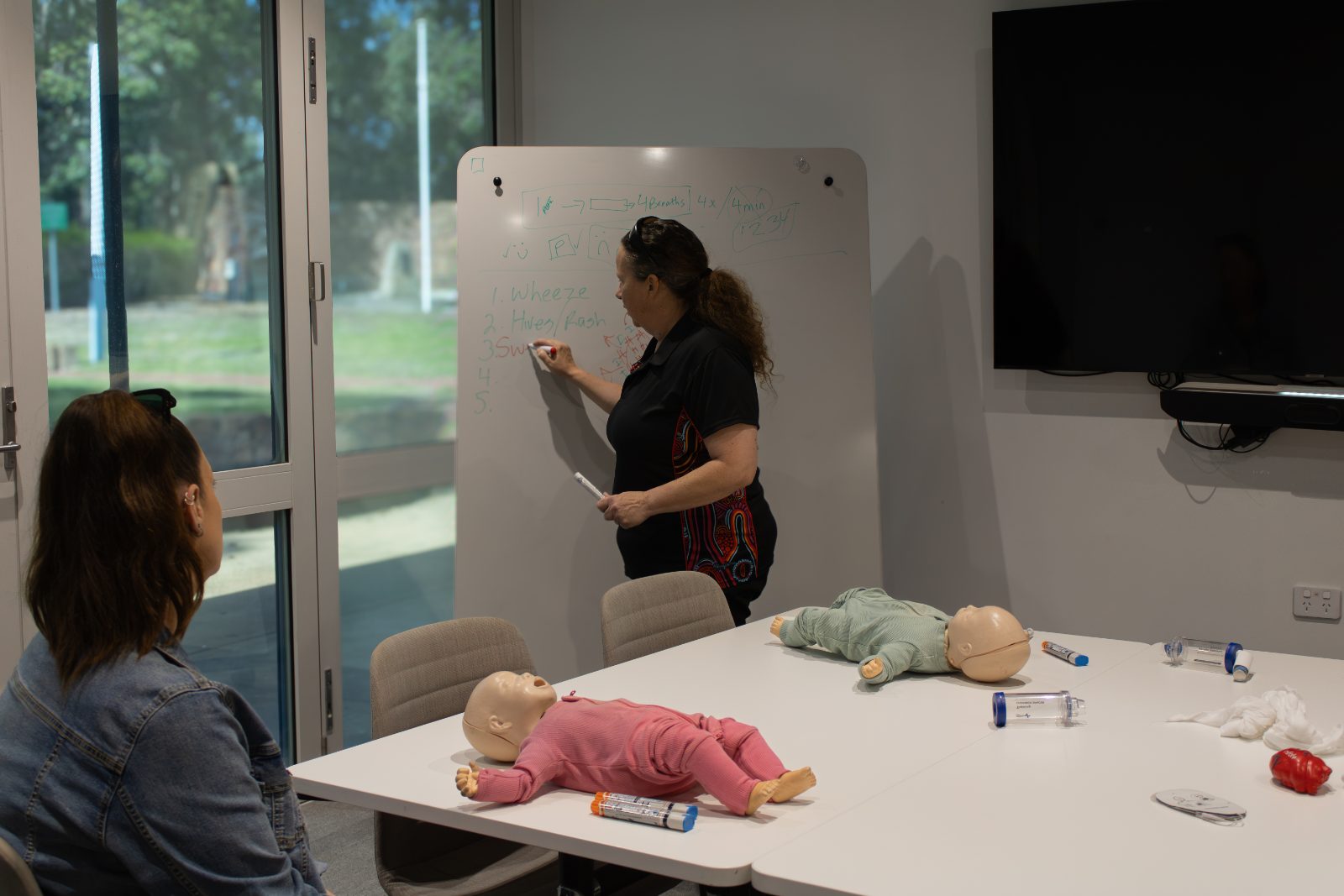
HLTAID009 vs HLTAID011: Is CPR-Only Training Enough?
The difference between being trained and being capable. What each unit covers, what WA workplaces actually need, and a simple renewal plan that keeps your team current.
"We have first aid covered. Our staff did CPR."
I hear this all the time from WA businesses. What they usually mean is that someone on the team holds HLTAID009 Provide CPR. That is a valuable, nationally recognised unit. But it is not the same as first aid, and in most workplaces it leaves a real gap.
This guide explains the difference between HLTAID009 and HLTAID011, why CPR-only training rarely meets workplace needs, and exactly how to set up a training cycle that keeps your team compliant and genuinely prepared.
Quick answer
Is HLTAID009 (CPR) enough for workplace first aid? In most workplaces, no. HLTAID009 covers CPR and defibrillator use only. HLTAID011 Provide First Aid includes CPR plus asthma, anaphylaxis, bleeding, fractures, burns, envenomation and medical emergencies, which are the incidents workers are far more likely to face. Most workplace first aiders should hold HLTAID011 and refresh CPR every 12 months.
| Feature | HLTAID009 Provide CPR | HLTAID011 Provide First Aid |
|---|---|---|
| CPR for adults, children and infants | Yes | Yes |
| AED (defibrillator) use | Yes | Yes |
| Asthma management | No | Yes |
| Anaphylaxis and adrenaline devices | No | Yes |
| Severe bleeding, wounds and shock | No | Yes |
| Fractures, sprains, head and spinal injuries | No | Yes |
| Burns, envenomation, heat and cold emergencies | No | Yes |
| Medical emergencies such as stroke, seizures and diabetes | No | Yes |
| Suitable for a workplace first aider | Not on its own in most cases | Yes |
| Recommended renewal | Every 12 months | Every 3 years, with CPR every 12 months |
1. The Problem Most Workplaces Do Not Realise
CPR is one skill. A critical one, but still just one.
Cardiac arrest at work is thankfully rare. The incidents that actually happen in WA workplaces week in, week out, look very different:
- Falls from ladders, trucks, stairs and wet floors
- Deep cuts from knives, tools, glass and machinery
- Asthma attacks triggered by dust, smoke, cold air or exercise
- Allergic reactions, including anaphylaxis after food or insect stings
- Burns in kitchens, workshops and around hot equipment
- Crush injuries and fractures
- Heat illness on outdoor sites
- Fainting, seizures, diabetic emergencies and chest pain
- Snake bites on farms, construction sites and in regional towns
If your team can only perform CPR, they are not prepared for what actually happens on site. That is the difference between being trained and being capable.
2. What HLTAID009 Provide CPR Actually Covers
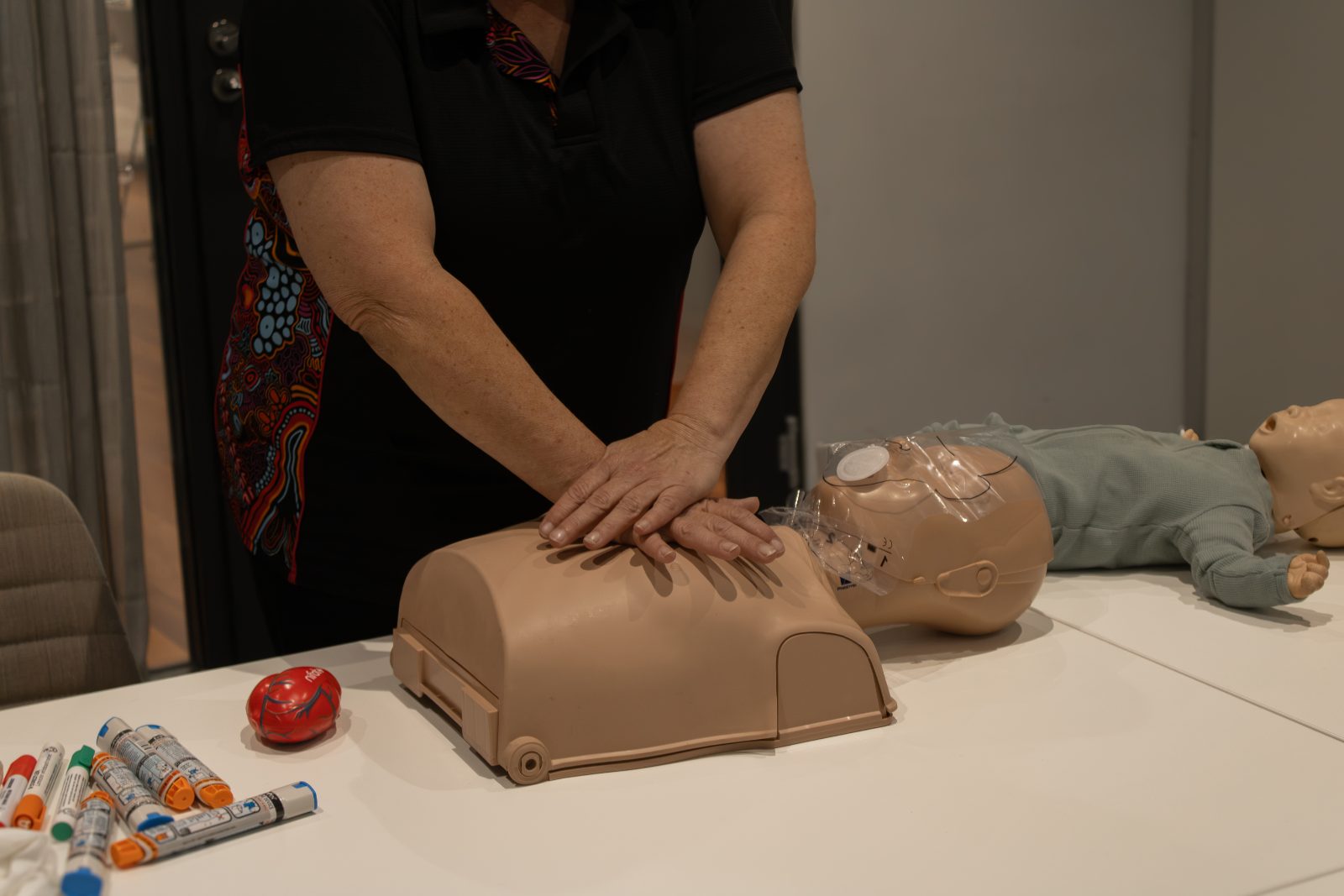
HLTAID009 is focused on one situation: a person who is unresponsive and not breathing normally. It covers:
- Recognising an unresponsive casualty and following DRSABCD
- Calling for help and communicating with emergency services
- Cardiopulmonary resuscitation (CPR) for adults, children and infants
- Using an automated external defibrillator (AED)
- Placing a person in the recovery position
- Handing over to paramedics and reporting the incident
As part of the assessment, you perform at least two minutes of uninterrupted CPR on an adult manikin on the floor, plus infant CPR.
That is it. HLTAID009 is designed for maintaining CPR competency, not for managing the full range of emergencies a workplace first aider will face.
Who HLTAID009 is right for
- Workplace first aiders doing their yearly CPR refresher between HLTAID011 renewals
- People whose role or licence requires CPR only
- Parents, carers, volunteers and community members who want core life-saving skills
- Anyone who wants a short, affordable introduction to first aid
See our HLTAID009 Provide CPR course for dates and details.
3. What HLTAID011 Provide First Aid Covers, and Why It Matters
HLTAID011 includes everything in HLTAID009, plus the skills needed to respond to the wide range of injuries and illnesses that happen in real workplaces:
- Asthma management, including reliever medication and spacers
- Anaphylaxis recognition and response, including adrenaline autoinjectors and newer devices
- Severe bleeding control, wound care and managing shock
- Fractures, dislocations, sprains and strains
- Head, neck and spinal injuries
- Burns and scalds
- Envenomation, including snake bite and the pressure immobilisation technique
- Heat-related illness and hypothermia
- Medical emergencies such as stroke, heart attack, seizures and diabetic emergencies
- Choking, poisoning, eye injuries and chest injuries
- Legal responsibilities, consent, privacy, reporting and looking after yourself afterwards
This aligns with the expectations in Safe Work Australia's model code of practice on first aid in the workplace, which WA has adopted through WorkSafe WA's First Aid in the Workplace code of practice. The model code describes a first aider as someone who holds a nationally recognised qualification in the Provide First Aid unit, or an equivalent level of training.
See our HLTAID011 Provide First Aid course, or the full-day HLTAID011 option if you prefer to do everything face to face.
4. The Compliance Gap Most Businesses Are Sitting In
Here is the reality. If your designated first aider only holds HLTAID009:
- They can attempt to restart a heart.
- They have not been trained or assessed to manage most other emergencies.
That creates a gap in your duty of care. Under WA's Work Health and Safety laws, a business must provide adequate first aid equipment, facilities and trained first aiders based on its risks. If an employee has a severe allergic reaction, a deep laceration or an asthma attack, and your only trained person has CPR alone, you are relying on luck.
And if something goes wrong, that gap matters. Regulators, insurers and investigators look at whether your first aid arrangements matched your risks.
A CPR certificate is not a first aid plan.
Your first aid plan should match the incidents that are likely at your workplace. For almost every business, that means HLTAID011 first aiders, with CPR refreshed every year.
5. How Often Do Certificates Need Updating?
This is where people get caught out. Nationally recognised first aid units do not "expire" the way a driver's licence does. There is no legal expiry date printed on them. But from a workplace safety and compliance perspective, currency matters, and the recommended timeframes are well established:
- HLTAID009 Provide CPR: refresh every 12 months. This is the Australian Resuscitation Council's recommendation for CPR skills.
- HLTAID011 Provide First Aid: renew every three years. This is the refresher timeframe set out in the model first aid code of practice.
Most employers, industries and sites follow these timeframes, and many will not accept certificates older than them.
More importantly, skills fade. If skills are not current, they are not reliable.
6. What This Looks Like in a Real Workplace
Let's keep it practical. Picture a typical WA workplace. You have:
- A staff kitchen
- Tools or equipment
- Members of the public on site
- Staff with known allergies or asthma
That is already enough risk to require full first aid capability. CPR alone does not cover:
- Choking in the lunchroom
- Severe bleeding from equipment
- Anaphylaxis after a food exposure
- Asthma triggered by dust, smoke or activity
- A customer who faints and hits their head
- A burn from the coffee machine or kitchen
These are everyday scenarios, not edge cases.

7. Which First Aid Course Does Your Industry Need?
Every workplace should base its decision on a risk assessment. As a practical starting point, here is what we usually recommend for common WA industries.
| Industry or setting | Usual minimum for first aiders | Also consider |
|---|---|---|
| Office, retail and professional services | HLTAID011 | Yearly HLTAID009 refresher |
| Hospitality, cafes and commercial kitchens | HLTAID011 | Extra focus on burns, cuts, choking and anaphylaxis |
| Construction and trades | HLTAID011 | HLTAID014 for site first aid officers |
| Childcare, schools and OSHC | HLTAID012 | Approved asthma and anaphylaxis training requirements |
| Aged care, disability and community services | HLTAID011 | Yearly CPR for all support workers |
| Fitness, sport and recreation | HLTAID011 or HLTAID009 as required by your role | AED on site and regular drills |
| Farms, stations, mining and remote sites | HLTAID013 | Remote communication and evacuation planning |
| Larger or high-risk workplaces with a first aid room | HLTAID014 | Plus HLTAID011 for additional first aiders |
Not sure where you fit? Get in touch and we will give you a straight answer based on your actual risks.
8. The Smarter Approach: The Three-Year Training Cycle
If you want to stay compliant without overcomplicating it, use this structure for each first aider:
The REACHAU renewal cycle
- Year 1: HLTAID011 Provide First Aid (full first aid, including CPR)
- Year 2: HLTAID009 CPR refresher
- Year 3: HLTAID009 CPR refresher
- Year 4: HLTAID011 renewal, and the cycle starts again
This keeps skills current, spreads the cost across years, and avoids last-minute panic bookings before audits, tenders or site inductions.
A simple tip: keep a spreadsheet or use your HR system to track every first aider's completion dates, and set reminders two months before each renewal is due.
9. Quick Self-Check: Are You Actually Covered?
Run through this quickly.
Certificates
- Do your first aiders hold HLTAID011 (or the unit that matches your industry)?
- Is it less than three years old?
- Has CPR been refreshed in the last 12 months?
- Do you have a first aider available on every shift and at every site?
Workplace risks
- Kitchen or food preparation area
- Machinery, vehicles or tools
- Public access
- Staff or customers with asthma or allergies
- Outdoor work, heat or snakes
- Workers who travel or work alone
If you answered no to anything in the first set, or yes to anything in the second, you likely have a gap.
10. The Real Cost of Getting It Wrong
Choosing HLTAID009 because it is shorter and cheaper can look like a saving. Here is what it can actually cost:
- Worse outcomes for injured workers. The first few minutes after a serious injury often decide how bad it becomes.
- Longer time off work. Poorly managed injuries can mean longer recoveries and higher workers compensation costs.
- Compliance risk. If your first aid arrangements do not match your risks, you may be in breach of your WHS duties.
- Lost contracts. Many tenders, head contractors and mine sites require current HLTAID011 for workers.
- Staff confidence. People feel safer, and are more likely to stay, in workplaces where they know their colleagues can help.
The difference in time and cost between HLTAID009 and HLTAID011 is small compared to any of these.
11. What About Blended and Online Options?
Many nationally recognised first aid courses now use a blended format. You complete theory online at your own pace, then attend a shorter face-to-face session for hands-on practice and assessment. This can make HLTAID011 much easier to fit around work.
What you cannot do is complete a nationally recognised HLTAID009 or HLTAID011 entirely online. Both require a practical assessment, including CPR on a manikin on the floor. Read our guide to online first aid courses and what to check before enrolling before you book anything that sounds too easy.
12. How to Choose a First Aid Training Provider
Not all first aid training is equal. Look for a provider that:
- Delivers nationally recognised units through a registered training organisation (RTO)
- Includes genuine hands-on practice and a practical assessment
- Teaches to current ANZCOR guidelines
- Uses realistic scenarios relevant to your workplace, not just textbook examples
- Can train your team together, on site if needed
- Understands regional and remote WA, if that is where you work
- Makes people feel confident, not just certified
At REACHAU, training and assessment is delivered on behalf of ABC First Aid RTO 3399. Our focus is on building real confidence, so your people leave ready to act.
13. Group and On-Site Training for WA Teams
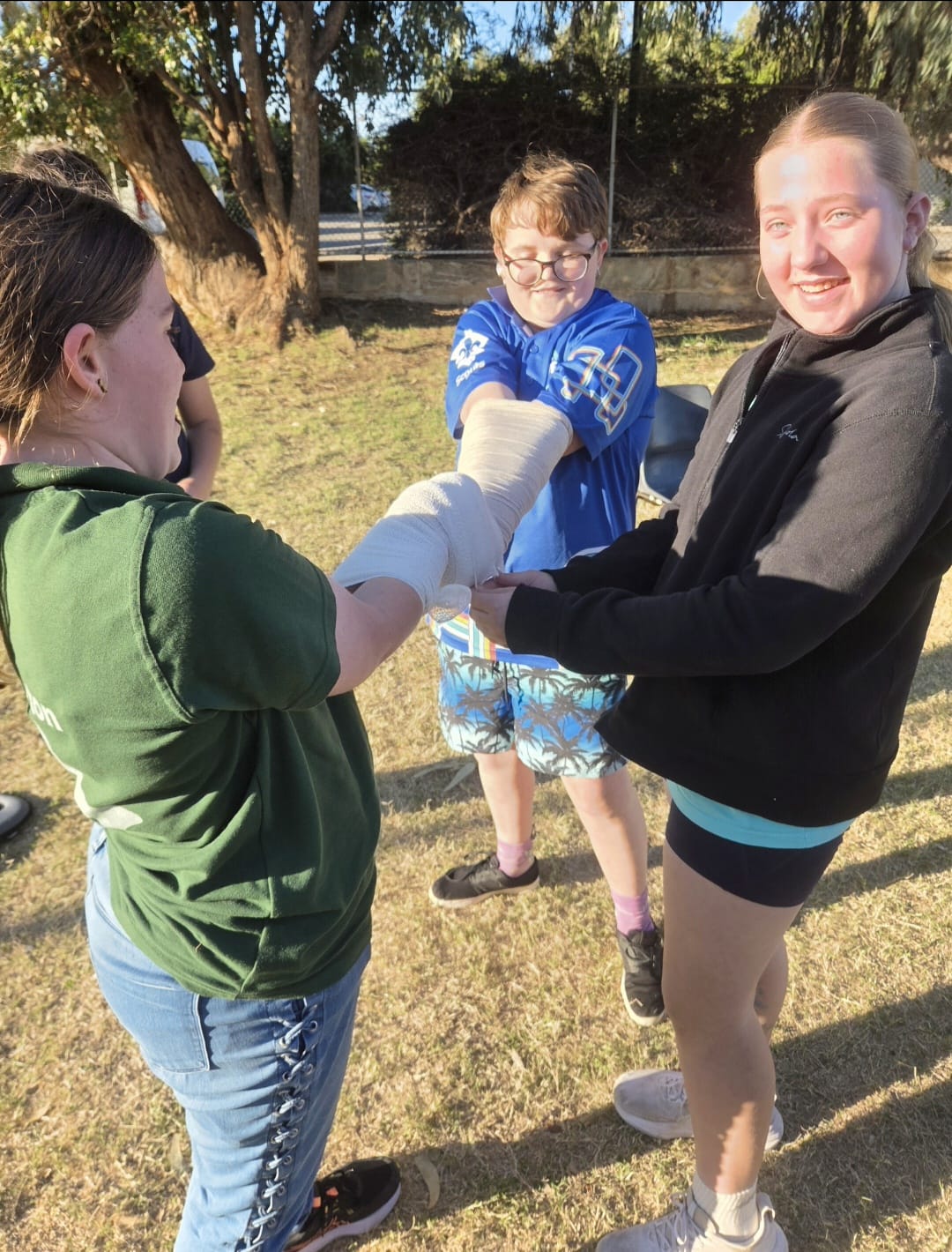
For many businesses, the easiest option is to train the team together. On-site training means:
- No travel time or lost hours getting staff to a venue
- Scenarios built around your actual workplace, equipment and risks
- A shared language and plan across the team
- One booking for everyone's certificates and renewal dates
We deliver across Perth and regional WA, from Byford, Armadale and Mandurah to the Wheatbelt, South West, Mid West and the north of the state. Contact us for a group quote.
14. Six Workplace Scenarios: CPR-Only vs Full First Aid
The easiest way to see the difference is to walk through real situations we hear about from WA workplaces.
Scenario 1: The cafe kitchen burn
A barista knocks a jug of steamed milk over her forearm. The skin is red and blistering over a large area. Her supervisor holds HLTAID009.
With CPR-only training: the supervisor knows how to do CPR and use an AED, but neither is needed. She is unsure whether to use ice, butter or cream, how long to cool the burn, or when it needs hospital care.
With HLTAID011: she cools the burn under cool running water for 20 minutes, removes jewellery before swelling starts, covers it loosely with a non-stick dressing or cling wrap, and knows the size and location mean medical assessment is needed.
Scenario 2: The warehouse laceration
A storeperson slips while cutting strapping and slices deep into his thigh. Blood is flowing fast.
With CPR-only training: the first aider calls 000 and waits, unsure how hard to press, whether to lift the leg, or what to do when blood soaks through the towel.
With HLTAID011: the first aider applies firm direct pressure straight away, adds padding without removing the first layer, lies the worker down, watches for shock and knows when a tourniquet may be needed. Read more in our guide on how to stop severe bleeding.
Scenario 3: The office morning tea
At a team celebration, a new staff member eats a slice of cake and within minutes starts coughing, her voice goes hoarse and she says her throat feels tight. She has an adrenaline device in her bag.
With CPR-only training: colleagues hand her water and an antihistamine and help her walk to the first aid room. She collapses on the way.
With HLTAID011: the first aider recognises anaphylaxis, lays her flat, gives the adrenaline device, calls 000 and keeps her lying down. Our article on the 7 anaphylaxis first aid mistakes that cost time in WA shows why every one of those steps matters.
Scenario 4: The fall on a building site
A carpenter falls from a low platform, lands awkwardly and has an obviously deformed lower leg. He is conscious but in severe pain and going pale.
With CPR-only training: workmates want to help him up and drive him to hospital.
With HLTAID011: the first aider keeps him still, supports the leg in the position found, checks for other injuries, treats for shock, calls 000 and does not let anyone move him unnecessarily.
Scenario 5: The gym asthma attack
A member at a local gym starts wheezing heavily after a high-intensity class. She can only say a few words at a time and has left her puffer in the car.
With CPR-only training: staff are not sure whether to wait, call an ambulance or let her go and get her puffer.
With HLTAID011: the staff member sits her upright, grabs the gym's emergency reliever and spacer from the first aid kit, gives the medication following the asthma first aid steps, calls 000 when there is little improvement and stays with her until paramedics arrive.
Scenario 6: The seizure in a shop
A customer suddenly falls to the floor near the checkout and starts jerking. Other customers crowd around. Someone tries to put a wallet in his mouth.
With CPR-only training: the staff member knows CPR but is unsure whether this needs it, and does not stop the bystander.
With HLTAID011: the staff member stops anyone putting anything in his mouth, clears space, protects his head, times the seizure, rolls him onto his side once the jerking stops, checks his breathing and calls 000 because it lasted more than five minutes.
In most of these scenarios, CPR is never needed. In every one, full first aid training changes the outcome.
15. What WA Employers Must Provide
Under WA's Work Health and Safety laws, first aid is about more than training one person. The First Aid in the Workplace code of practice describes a complete set of arrangements. As a practical checklist, a WA workplace should have:
- Trained first aiders in the right number and with the right level of training for your risks
- First aid kits that match your hazards, are easy to find and are checked regularly
- First aid procedures that tell workers what to do, who to call and where equipment is
- Access to facilities, such as a first aid room, where your size or risk level calls for one
- Information and communication so everyone knows who the first aiders are, including new starters and contractors
- Emergency communication that works everywhere your people work, including remote areas
- A review process so arrangements are updated after incidents, changes in work or new risks
What should be in a workplace first aid kit?
The code of practice includes a suggested list of contents for a standard workplace kit, and it is worth adding items for your specific risks. As a practical guide, most WA workplaces should also consider:
- Several broad elastic bandages for snake bite, especially outdoors and in regional areas
- Burn dressings or hydrogel for kitchens and workshops
- A resuscitation face mask and plenty of gloves
- Trauma dressings for workplaces with machinery or sharp tools
- An asthma reliever and spacer, and a general use adrenaline device where your risk assessment supports it
- An AED, or a clear sign showing where the nearest one is
Check kits on a regular schedule, replace used items straight away, and watch expiry dates, especially in hot vehicles and sheds.
Consulting your workers is part of doing this well. The people doing the work often know exactly where the risks are, and where the kit ends up being needed.
For a wider view of emergency planning, see our guide to workplace emergency plans and Australian legal requirements, and our overview of the essential first aid course your WA business needs for compliance.
16. How Many First Aiders Do You Need?
There is no single number that fits every workplace. The code of practice asks you to consider your size, layout, hazards, shifts and how far you are from medical help.
The model code gives general guidance you can use as a starting point, such as one first aider for every 50 workers in a low-risk workplace and one for every 25 workers in a high-risk workplace, with more first aiders and extra training recommended for remote workplaces.
In practice, also think about:
- Leave and absences. If your only first aider is on holiday, sick or off site, who covers?
- Shifts. Every shift needs cover, not just business hours.
- Multiple sites and floors. A first aider three floors away or at another depot may not be close enough.
- Mobile and lone workers. People who work alone need their own training and a way to call for help.
- Public and customers. Workplaces with lots of visitors, such as retail, hospitality and events, face extra risk.
Most businesses find that training a few more people than the minimum is the simplest way to stay covered.
17. What to Expect in an HLTAID011 Course
If you have not done first aid for a while, or ever, here is what an HLTAID011 course with REACHAU looks like:
- Pre-course learning online, so the face-to-face day is focused on doing
- CPR and AED practice on adult and infant manikins, including assessment on the floor
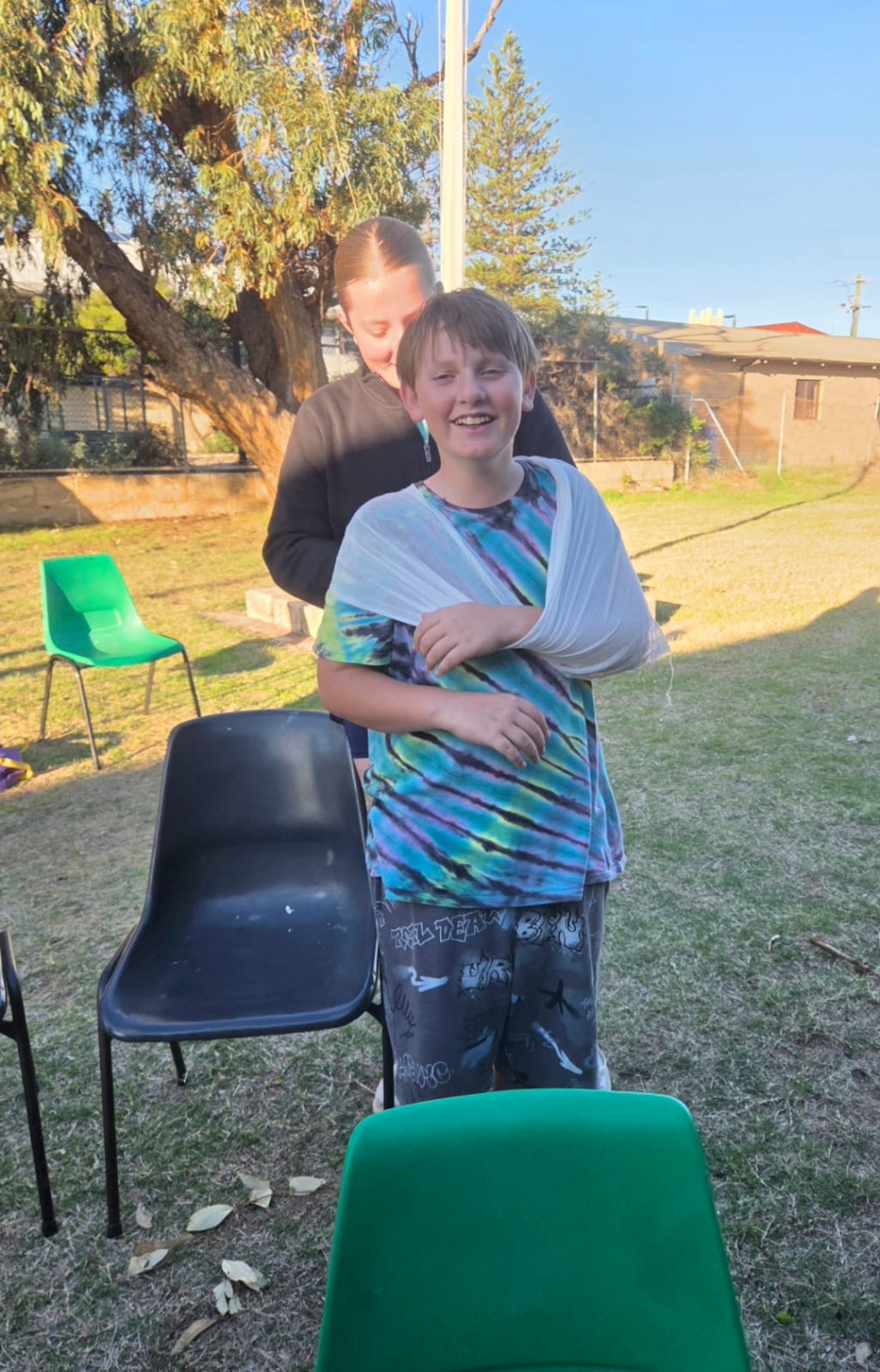
- Bandaging and splinting for bleeding, fractures, sprains and snake bite
- Asthma and anaphylaxis with spacers and adrenaline device trainers
- Realistic scenarios based on real WA workplaces and incidents
- Assessment of practical skills and knowledge to the national standard
We keep it practical, supportive and relevant. Most people tell us they leave feeling far more confident than they expected. That confidence is the point.
Wear comfortable clothes you can kneel and move in. If you have any condition that affects kneeling or physical tasks, let us know beforehand so we can talk through options.
18. A Note for Job Seekers
As an employment coach as well as a first aid trainer, this is a question I get often: "Which first aid ticket should I get to help me find work?"
My answer for most people is simple: get HLTAID011. It is the one most job ads ask for, across hospitality, retail, construction, warehousing, community services, fitness, education support and more. HLTAID009 on its own rarely ticks the box on an application.
- If you are heading into childcare, education or OSHC, look at HLTAID012.
- If you want remote, mining, farm or station work, HLTAID013 can set you apart.
- Whatever you do, list the unit code, full title and completion date on your resume.
If you are working with an employment services provider, ask whether they can support the cost of accredited first aid training. Many can for eligible job seekers. You can also contact us to talk about options and next steps.
19. Bottom Line
CPR is one part of first aid. Important, but not enough on its own.
If your team only holds HLTAID009, you are relying on a very narrow response to a very broad risk. That is not where you want to be when something actually happens.
The good news is that closing the gap is simple. Train your first aiders in the unit that matches your risks, keep CPR fresh every year, stock kits for the hazards you actually have, and make sure everyone knows who to call. That is a first aid plan, not just a certificate in a drawer.
And remember why it matters. First aid is not about ticking a box for an audit. It is about the colleague, customer or family member who needs help in the next five minutes, and the person on your team who has the confidence to give it.
Fix the gap first. Then keep it fixed.
Upgrade your first aiders to HLTAID011, refresh CPR every year, and your team will be genuinely prepared, not just technically certified.
Frequently Asked Questions About HLTAID009 and HLTAID011
Does HLTAID009 expire?
No unit has a legal expiry date, but CPR should be refreshed every 12 months to maintain competency and meet workplace expectations.
What is the difference between HLTAID009 and HLTAID011?
HLTAID009 covers CPR and AED use only. HLTAID011 includes CPR plus management of injuries, illnesses and medical emergencies such as bleeding, fractures, asthma and anaphylaxis.
Can I be a workplace first aider with only HLTAID009?
In most workplaces, no. First aiders need to respond to a range of incidents, not just cardiac arrest. The model code of practice points to the Provide First Aid unit, HLTAID011, or equivalent training.
Does HLTAID011 include CPR?
Yes. HLTAID011 includes full CPR and AED training. You should still refresh CPR every 12 months between HLTAID011 renewals.
How long is HLTAID011 valid for?
HLTAID011 is generally renewed every three years, with a CPR refresher each year in between. Some employers and industries set stricter requirements.
Which is better for my resume?
HLTAID011. Employers in most industries ask for Provide First Aid. HLTAID009 on its own is usually only accepted for specific roles or as a refresher.
Can I do HLTAID011 online?
You can complete theory online in a blended course, but HLTAID011 requires a face-to-face practical assessment, including CPR on a manikin.
What if I already have HLTAID011 but my CPR is out of date?
Book an HLTAID009 CPR refresher. It brings your CPR current without repeating the full first aid course.
Do childcare workers need HLTAID011 or HLTAID012?
Education and care workers usually need HLTAID012, which covers first aid for children plus asthma and anaphylaxis management for education and care settings.
Is HLTAID011 required in WA workplaces?
WA law requires adequate first aid based on your risks. The WA code of practice points to first aiders holding the Provide First Aid unit or equivalent, so HLTAID011 is the usual standard.
Book HLTAID011 with CPR included, or a yearly HLTAID009 refresher, with REACHAU. Public courses and on-site team training across Perth and regional WA.
Book HLTAID011Get a Team QuoteTraining and Assessment is delivered by Britt at Regional Education and Career Help Australia on behalf of ABC First Aid RTO 3399.

Written by Britt Brennan
Empowerment-Focused First Aid Trainer and Employment Coach, and founder of REACHAU. Britt delivers accredited first aid training across Western Australia with a focus on real-world application, regional risks and workplace compliance.
This article is general information and does not replace legal or WHS advice for your specific workplace. Check current requirements with WorkSafe WA.