
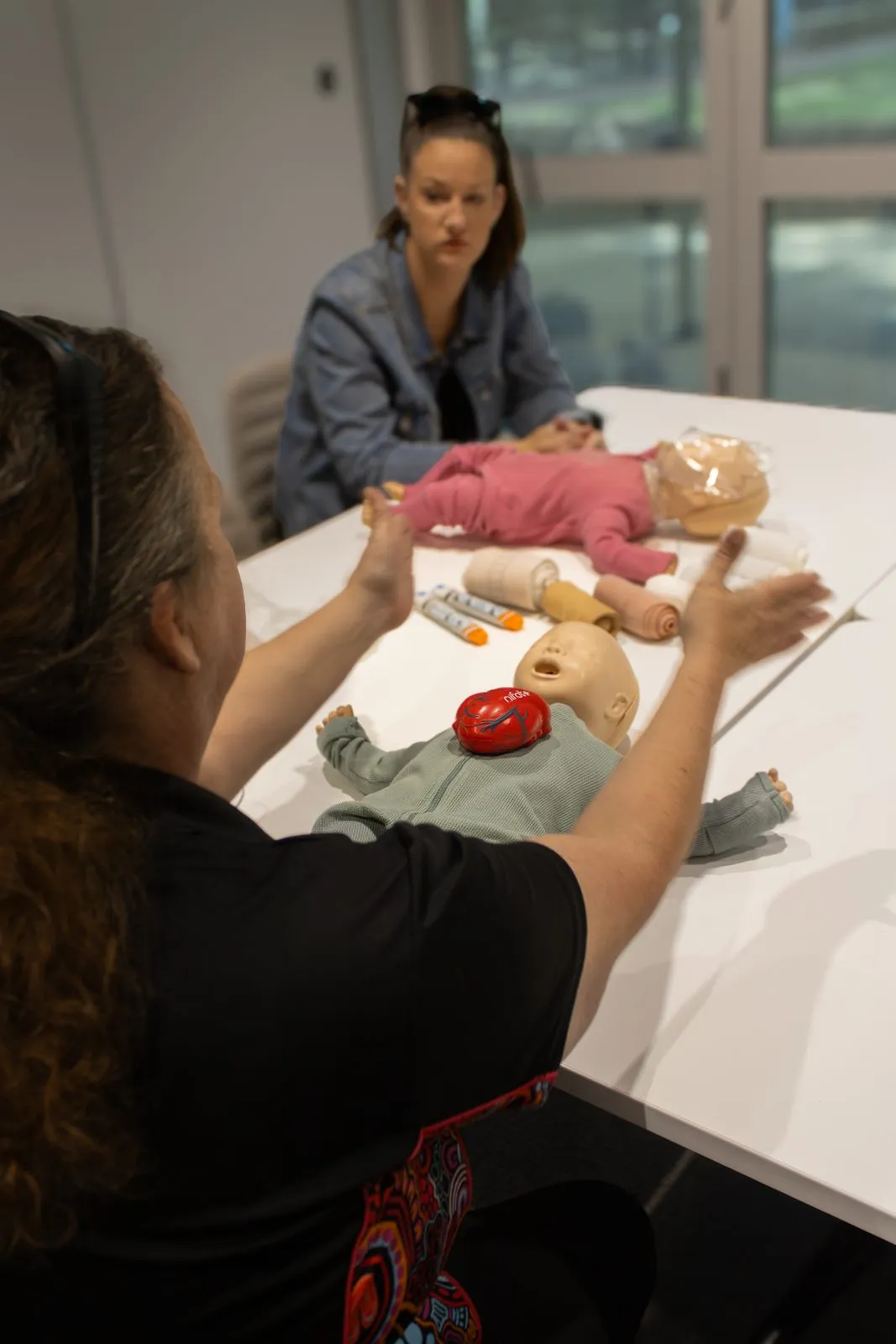
Too Much Alcohol and Hard to Wake: Treat It as an Emergency
Too Much Alcohol and Hard to Wake: Treat It as an Emergency
What a Western Australian coronial finding teaches us about why a person who cannot be woken after drinking needs urgent medical help, not sleep.
By Britt Brennan, REACHAU | 4 December 2026

Many of us have been taught, or have simply learned from life, that when someone has had too much to drink, the best thing is to put them to bed and let them sleep it off.
That works in many cases. But there is a point where it stops being safe. This article looks at a published Western Australian coronial finding about a young woman who died after her 18th birthday party. The coroner chose to hold the inquest to raise public awareness, and the message is clear and important. It is written with respect for Nicole, for her family and for her friends, who all did what they believed was right.
What the coroner found
What the finding says
The inquest into the death of Nicole Emily Bicknell was held in May 2017, and the finding was delivered on 18 August 2017 by the Deputy State Coroner. Nicole turned 18 in late October 2014, and celebrated at a party at her family home on Saturday 1 November. She died on 2 November 2014 at Armadale Kelmscott Hospital. The coroner found the cause of death was acute alcohol toxicity, with early pneumonia and aspiration. The manner of death was misadventure, and there was no evidence she intended to harm herself.
After she became drowsy, uncoordinated and incoherent, she was helped to bed and placed on her side with a bucket nearby. A friend stayed with her, checked her breathing and pulse regularly, and moved her head towards the bucket when she began to drool. He later fell asleep. When he woke, she was cold, her lips were blue and she was not breathing. The family called an ambulance and started CPR with the call taker's guidance. Paramedics arrived within minutes, took her to hospital, and resuscitation was stopped at 6.55am.
The coroner found that none of the friends or family present understood that becoming unconscious from alcohol is a medical emergency. They all believed that a person would sleep it off, as long as precautions were taken for the airway. The coroner found that those caring for her believed they were acting in her best interest, and that the precautions they took were not enough to prevent aspiration. The coroner said the appropriate course of action, once she was uncoordinated and unrousable, would have been to call an ambulance.
The coroner did not state whether an earlier call would have saved her. The coroner also found that, given the time without circulation, it was unlikely she would have been recoverable even if resuscitation had been successful.
The single recommendation was for comprehensive education on alcohol to all secondary students. It should cover the effect on developing brains and breathing, the need for hospital care for a person unconscious from intoxication, and the need to start and continue CPR if breathing stops. It was sent to education bodies. It is not a general first aid rule.
Everything else in this article is my teaching reflection. It is not a finding of the coroner.
The dangerous idea: "sleep it off"
Alcohol slows the brain, including the parts that control breathing. In large amounts it can reduce a person's breathing so much that oxygen levels fall. The coroner found that this is what happened.
A person who is vomiting while unconscious can also breathe stomach contents into their lungs. Putting someone on their side helps, but the finding shows it is not always enough.
The important point is this: once someone cannot be woken, they are no longer just drunk. They are unconscious, and that is a medical emergency, whatever the cause.
How to tell the difference
ANZCOR Guideline 3 says a person is unconscious if they are unresponsive and unrousable. Someone who only groans, without opening their eyes, should be managed as if unconscious.
Call an ambulance if the person:
- cannot be woken, or only groans
- has slow, irregular or noisy breathing
- has blue or pale lips or skin
- is cold or clammy
- is vomiting while drowsy or cannot stay awake
- has had a head injury
If you are not sure, treat it as an emergency. Calling an ambulance and not needing one is far better than the alternative.
What to do
ANZCOR guidance for an unconscious person includes these steps:
- Check for danger. Make sure the area is safe.
- Check response. Use "talk and touch". Speak loudly and squeeze their shoulders.
- Call 000. Put the phone on speaker so you can follow the call taker's instructions. Say what you know, including that alcohol has been involved.
- Open the airway and check breathing.
- If they are breathing normally, move them to the ground and onto their side so the airway stays open. Do not leave them sitting in a chair. Stay with them.
- Keep re-checking. Watch their breathing and colour, and ideally keep the most experienced person with them.
- If they are unresponsive and not breathing normally, start CPR with 30 compressions and 2 breaths. Use an AED when it arrives.
Please do not give them food, coffee or water, and do not put them in a cold shower. These do not make a person sober, and they can cause harm.
A question to talk through
If a friend at a party could not be woken, would we call an ambulance, or would we put them to bed and check on them?
Staying with someone is not the same as monitoring
In this case, a friend stayed with Nicole and checked her breathing and pulse regularly. That was a loving and caring thing to do. It shows that effort alone is not the problem.
The lesson is about knowing when watching is not enough. If you are watching someone and they cannot be woken, the right next step is to call for help, not just to keep watching.
Keep going with CPR
The finding includes a point about CPR that is worth sharing. Paramedics noticed that the CPR in progress when they arrived was not effective at that stage. The coroner said this was not a criticism of people who were doing their best. The coroner also noted that many people wrongly think they can stop when paramedics arrive.
ANZCOR guidance is to continue until the person responds or breathes normally, you cannot continue, or a health professional takes over or tells you to stop. If you have the call taker on the line, follow their count. A hands-on course helps you learn the right depth and rate, with feedback.
Ideas for parties, clubs and families
These are my suggestions, not requirements.
- Agree before an event on who will call 000 if someone cannot be woken.
- Tell guests and young people clearly that they should call, and that nobody will be in trouble for calling for help.
- Keep a phone charged and nearby, and know the address.
- Make sure at least one person present knows how to place someone in the recovery position and how to start CPR.
- Talk to young people about alcohol and about what to do if a friend passes out. The coroner's recommendation was about school education, and families can start the conversation too.
If you or someone you know is worried about alcohol or other drugs, your GP can help, and there are support services in WA.
Looking after yourself afterwards
Friends and family who were there can carry heavy memories and questions. It is normal to replay events and to feel guilt, even when you did your best. Our guide on looking after yourself after giving first aid explains what is common and when it is worth seeing a GP.
Frequently asked questions
Is it safe to let someone sleep it off after drinking too much?
Not if they cannot be woken. A person who is unrousable is unconscious, which is a medical emergency. Call an ambulance, keep their airway open and stay with them.
What if I think the person is just very drunk?
Try to rouse them by talking loudly and squeezing their shoulders. If they only groan or do not respond, treat them as unconscious and call 000. If you are unsure, call.
Is the recovery position enough?
It helps keep the airway open if the person is breathing normally, but it does not replace medical care. The finding shows that precautions at home were not enough to prevent aspiration. Call an ambulance.
Should I give a drunk person coffee, water or a cold shower?
No. They do not make a person sober and can cause harm. Do not give anything by mouth to someone who is drowsy or unconscious.
How long should I do CPR?
Continue until the person responds or breathes normally, you cannot continue, or a health professional takes over or tells you to stop. Do not stop just because the ambulance arrives.
Does this finding mean the family should have done something different?
The coroner found the people present believed they were acting in her best interest and did not fully understand the danger. The lesson is about awareness, not blame.
Sources and current guidance
- Coronial finding: Inquest into the death of Nicole Emily Bicknell, Coroner's Court of Western Australia
- ANZCOR Guideline 3, Recognition and first aid management of the unconscious person
- ANZCOR Guideline 8, Cardiopulmonary resuscitation
REACHAU first aid training focuses on understanding what to do, why it matters and how to act when someone needs help.
View upcoming first aid sessionsTraining and Assessment is delivered by Britt at Regional Education and Career Help Australia on behalf of ABC First Aid RTO 3399.
Related reading
- DRSABCD: the first aid action plan
- CPR and AED first aid guide
- After the emergency: looking after yourself when you helped
This article shares learning points from a published coronial finding and current ANZCOR guidance. It is general information, not medical advice, and it does not replace hands-on training. The family and friends in this case acted in what they believed was the person's best interest. This article is not a judgement about them. In an emergency, call 000.