First Aid Certificate vs Seizure Plan: Why You Need Both
Seizures and care plans
First Aid Certificate vs Seizure Plan: Why You Need Both
How general first aid skills and a person's own seizure management plan work together, for carers, schools and support teams.
By Britt Brennan, REACHAU | 22 November 2026
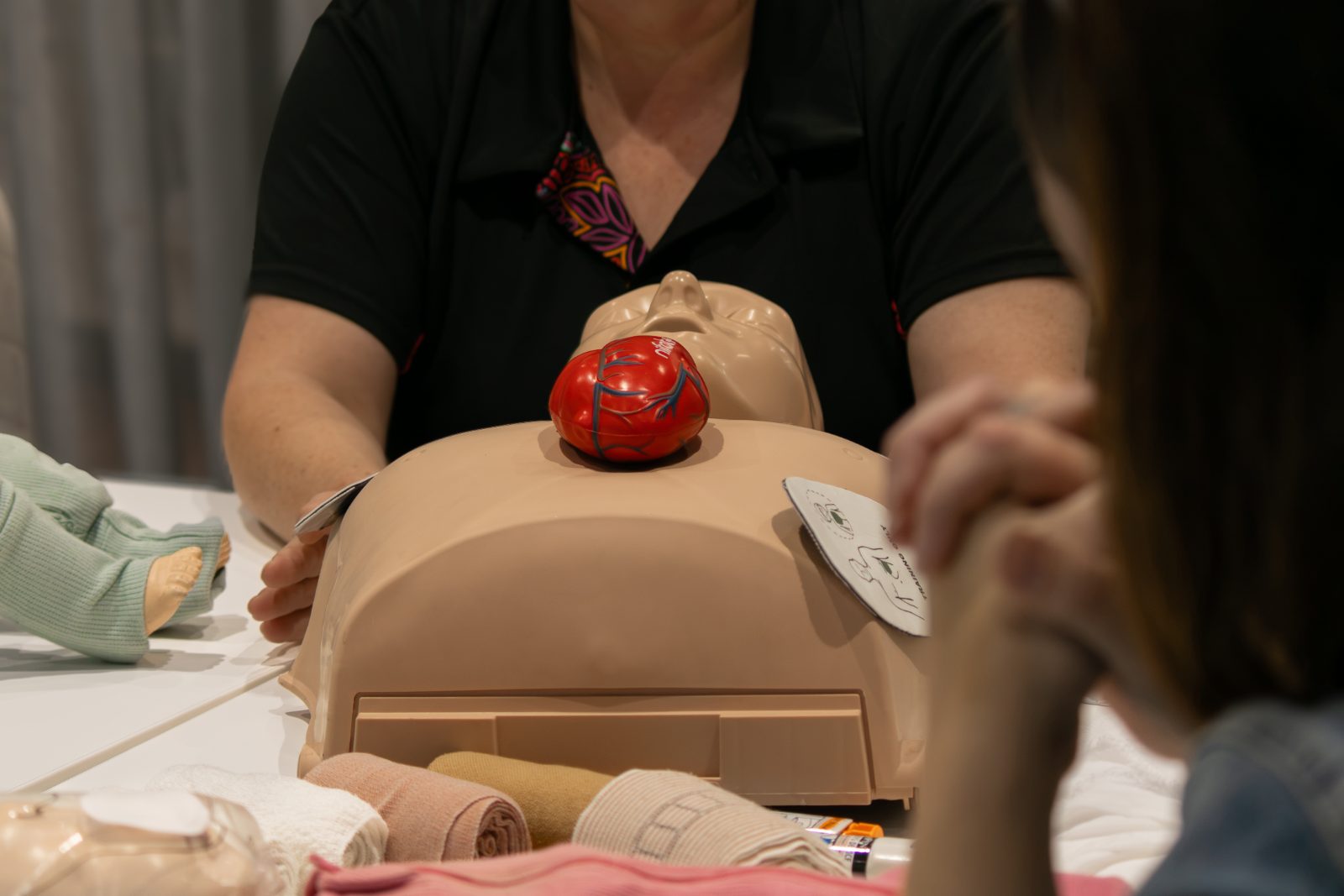
Quick answer: General first aid teaches you what to do when anyone has a seizure: protect them from injury, do not restrain them, put nothing in their mouth and check their breathing afterwards. An individual seizure management plan tells you what is specific to one person. Carers and support teams need both, and the plan needs to be easy to find on every shift.
Imagine you work in a supported accommodation service. You have done your first aid training and you know the basics of helping someone through a seizure.
Now imagine the person you support has epilepsy and their own seizure management plan.
Can you find it? Do you know what it says? And what happens on the night the staff member who knows all of this is not on shift?
A first aid certificate does not answer those questions. That is not a weakness in you or in the course. The two things simply do different jobs.
What can we learn from this WA finding?
What the finding says
In 2025 the Coroner's Court of Western Australia published a finding about a child referred to as Child LK, whose name is suppressed. The child was supported by carers and passed away from epilepsy at a time when they also had other infections. The finding notes that the carers had general first aid training and that one carer had also completed epilepsy specific education. The coroner was careful not to criticise the carers, and recognised that their role was support, not clinical treatment. The finding also describes later improvements in coordination and appointment communication. It does not make a new first aid training recommendation.
I want to honour that care in how I write about it. The carers in this record were doing a hard job, and the coroner said so.
This finding does not show that first aid training was at fault, or that a different first aid response would have changed what happened. It would be wrong to say either.
What it gives us is a reason to think about how first aid skills, a person's own information and clinical support connect in everyday life.
Everything from here is my own teaching suggestion. It is not a finding of the coroner.
Practise it: a fictional shift change
Alex is a fictional support worker starting an afternoon shift. The resident has a history of seizures. The morning worker says, "It is all in the file." Alex opens the file and finds two plans with different dates. One mentions a medication Alex has never been trained to give. Think about each question, then open it to compare.
What should Alex do first, before anything happens?
Find out which plan is current, using the service's proper process. Do not guess, and do not pick the one that looks more complete.
What about the medication?
Alex reports the training gap straight away. "I need training before I can safely do that" is a responsible thing to say. Alex does not work out a medication step alone.
The resident has a seizure during the shift. What can Alex do with confidence?
General seizure first aid. Protect from injury, do not restrain, nothing in the mouth, note the time, follow the current plan and call 000 when needed. First aid does not wait for the paperwork to be perfect.
What should the service take from this?
Preparing and responding are two different jobs. Sort out versions, access and training ahead of time, so they do not get in the way during an emergency.
What does general first aid prepare me to do in a seizure?
A seizure happens when the brain's normal electrical activity is disrupted for a time. It can affect awareness, movement or behaviour. Not every seizure looks like falling and shaking. Some look like staring, confusion or unusual movements.
ANZCOR guidance for seizure first aid is to:
follow the person's seizure management plan if there is one
protect them from injury by moving hard or sharp objects away
protect their head with something soft if you can
not restrain them
not put anything in their mouth
check their airway and breathing again once the seizure stops
Here is the why. Holding someone down does not stop the activity in the brain, and it can injure you both. Putting something in the mouth can damage teeth or block the airway.
People sometimes leave a course with one of two beliefs. "I have done first aid, so I should know everything." Or "I am not medically trained, so I cannot help." Neither is true. You have a real and useful role.
What does an individual seizure plan add?
A plan is written for one person. It may describe what their seizures usually look like, what to do, when to call for urgent help, who to contact and any prescribed treatment.
Two people with the same diagnosis can need very different support. General first aid is the foundation. The plan tells you what is different about the person in front of you.
Plans are written and reviewed by the person's health professionals, with the person and their family or decision makers. If a plan is unclear, the time to ask is before an emergency.
Can everyone who needs the plan find it?
I see the same gap in many settings. Everyone knows a plan exists, but only the regular staff know where it is. Or the digital copy needs a password the relief worker does not have.
A plan helps only when the right people can reach it at the right time. That does not mean sharing private health details with everyone. It means controlled access and a clear process.
Five questions before the next shift
Can the current plan be found quickly? Do staff understand it? Do any tasks need extra training? Is it clear when to call 000? Do observations reach the next shift and the health team? Ask the person who will work the shift to show you, not just tell you.
Does a first aid certificate cover rescue medication?
No. Reading an instruction is not the same as being trained and authorised to carry it out.
Rescue medication is prescribed for one person and given only under their plan, by someone trained for that task. A general first aid certificate does not cover it.
A workplace that welcomes "I need training before I can do that" is building the right culture.
When should I call 000?
Use the person's plan and current guidance together. Call 000 when:
the plan says to
what you are seeing does not match the plan
you do not know the person or their history
the person is injured
you are worried about their breathing or their recovery
Note the time the seizure starts if you can. If you arrived partway through, say so. "I started timing when I got here" is far more helpful than a guess.
Be gently careful with "they always do this". A familiar pattern is useful to know. It is not a reason to stop watching.
What matters after the seizure stops?
The person may be confused, tired or unresponsive for a while. Check response and breathing again.
Unresponsive but breathing normally: recovery position, and keep watching.
Not breathing normally: call 000 and start CPR.
Responsive: reassure them, protect their dignity and follow the plan.
Do not offer food, drink or tablets until they are fully alert and can swallow safely.
Afterwards, write down what you saw. Keep it to observations: the time, what happened, how they recovered. Then hand it over through your service's proper process.
How do schools, services and families use this?
Schools. Can the relief teacher find the student's plan? Is it reachable on the oval and on excursions?
Support services. Run the Alex scenario at a team meeting. Ask the newest staff member to find a practice plan.
Families. Check that the school or service has the current version, and that updates reach the people who need them.
Workplaces. Many adults with epilepsy manage it independently. Ask what help they would want, and respect their privacy.
Even well trained people cannot control the outcome of every medical emergency. That is not failure. Take the role seriously, know its limits honestly and prepare as well as you can.
A first aid certificate is a foundation. A plan is the detail. The real strength is in connecting the two.
Frequently asked questions
What is the difference between seizure first aid and a seizure management plan?
Seizure first aid is the general response that suits anyone having a seizure. A seizure management plan is written for one person by their health professionals. It describes what their seizures usually look like and what to do for them.
What does general first aid for a seizure involve?
Follow the person's plan if there is one. Protect them from injury, do not restrain them and do not put anything in their mouth. When the seizure stops, check their response and breathing. This follows ANZCOR Guideline 9.2.4.
Does a first aid certificate mean I can give seizure rescue medication?
No. Rescue medication is prescribed for one person. It is only given under that person's plan, by someone who has been trained and authorised for that task.
When should I call 000 for a seizure?
Call when the person's plan says to, when what you see does not match their plan, when you do not know their history, when they are injured, or when you are worried about their breathing or recovery. If in doubt, call and describe what you see.
What should a relief worker know before a shift?
Where the current plan is, what it says to do, which tasks need extra training, how to call for help and what to hand over to the next shift. If any of that is unclear, ask before the shift starts.
What do I do after the seizure stops?
Check response and breathing. If the person is unresponsive but breathing normally, place them in the recovery position and keep watching. If they are not breathing normally, call 000 and start CPR.
Sources and current guidance
Learn the skills. Build the confidence. Be ready to help.
REACHAU first aid training focuses on understanding what to do, why it matters and how to act when someone needs help.
View upcoming first aid sessions
Training and Assessment is delivered by Britt at Regional Education and Career Help Australia on behalf of ABC First Aid RTO 3399.
Related reading
This article shares general learning points from a published coronial finding and current ANZCOR guidance. The child's identity is protected by a court order and is not used here. The scenarios are fictional. This is not a seizure management plan and it does not authorise anyone to give medication. Individual plans and medication instructions come from the person's treating health professionals. In an emergency, call 000.